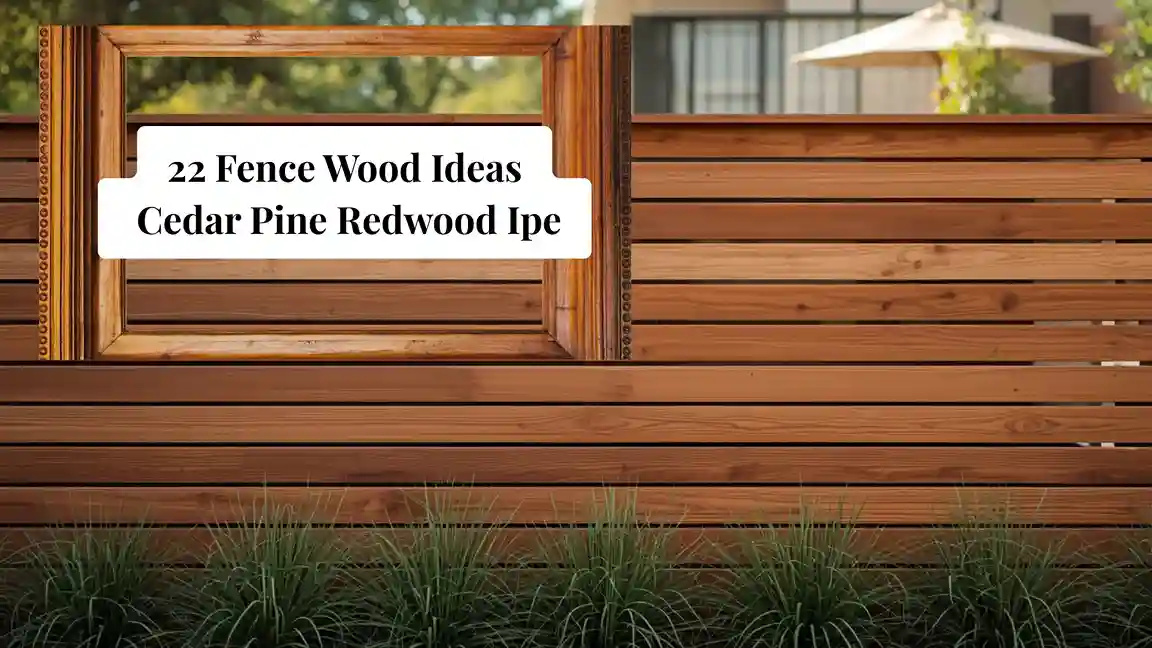
22 Fence Wood Ideas – Cedar, Pine, Redwood & Ipe Compared
Choosing the right fence wood ideas, cedar, pine, redwood, or Ipe, is about far more than appearance. The wood you select determines how long your fence lasts, how much maintenance it demands, and how beautifully it ages over years of weather exposure. With dozens of species, styles, and treatments available, the decision can feel overwhelming. But it doesn’t have to be. These 22 fence wood ideas break down the best options across four major wood categories, giving you actionable guidance on style, durability, and care so you can build a fence that’s as functional as it is beautiful and stands the test of time. A fence is one of the most underrated home decorating ideas for the exterior. It frames the property, defines space, and sets the tone for everything behind it. Once you have chosen your fence timber, match or complement it to any nearby decking — these wood stain and color matching ideas make coordinating the two surfaces straightforward. Once you have chosen your fence timber, match or complement it to any nearby decking. These wood stain and color-matching ideas make coordinating the two surfaces straightforward.
Key Design Principles to Keep in Mind
The best wood fence balances three factors: durability, aesthetics, and budget. Naturally rot-resistant woods like cedar, redwood, and Ipe require less treatment but cost more upfront. Pine is the budget-friendly entry point, but it needs annual sealing to survive moisture. Match your wood choice to your climate, your fence style (privacy, picket, split-rail), and your long-term maintenance appetite before purchasing a single board. Fence post hardware & installation kits. Fencing is the backbone of a well-designed yard. Explore our full range of outdoor decorating ideas to see how it fits into the bigger picture
Practical Implications
A fence isn’t just a boundary; it’s a major structural and visual element of your property. An ill-chosen wood can rot within five years, costing thousands in replacement. The right wood, properly maintained, can last 20–40 years and significantly increase your home’s curb appeal and resale value. For families who value privacy and a safe outdoor space for children, the fence is the foundation of that sanctuary. A wood fence is the most natural way to enclose a pool area. These poolside deck and enclosure ideas show how timber fencing and decking work together for a cohesive result.1. Classic Cedar Privacy Fence
Western red cedar is the gold standard of fence wood. Naturally rot-resistant, insect-repelling, and beautifully aromatic, cedar ages gracefully from warm honey-brown to silver-gray if left untreated. Use it for full-height privacy panels (6–8 feet) with alternating board styles for visual interest.
2. Horizontal Cedar Slat Fence
Flip traditional vertical boards sideways for a modern, architectural look. Horizontal cedar slats with 1-inch gaps create privacy while allowing airflow. This style pairs beautifully with mid-century modern or contemporary home exteriors. Pre-made cedar fence panels.
3. Cedar Picket Fence (Painted White)
A classic cedar picket fence painted crisp white evokes timeless American charm. Cedar holds paint exceptionally well and won’t warp as quickly as pine, making it the superior choice for painted picket applications.
4. Stained Cedar Board-on-Board
Board-on-board cedar fencing with a rich walnut or dark mahogany stain creates a high-end, boutique fence look. The overlapping boards eliminate gaps while allowing wind flow to reduce pressure on posts.
5. Natural Pine Shadowbox Fence
Pine is the most affordable wood fence option. A shadowbox (alternating board) design in pressure-treated pine creates an attractive pattern while keeping costs reasonable. Always seal pine annually to extend its lifespan.
6. Pine Split-Rail Fence
Rustic and charming, a pine split-rail fence defines a boundary without creating a barrier. Ideal for rural or farmhouse properties with wide open landscaping. Pair with climbing roses or wild vines for a romantic look.
7. Pressure-Treated Pine Lattice Top
A classic privacy fence with a decorative lattice top panel in pressure-treated pine adds elegance and light. It’s a budget-friendly way to elevate a standard fence design.
8. Redwood Vertical Privacy Fence
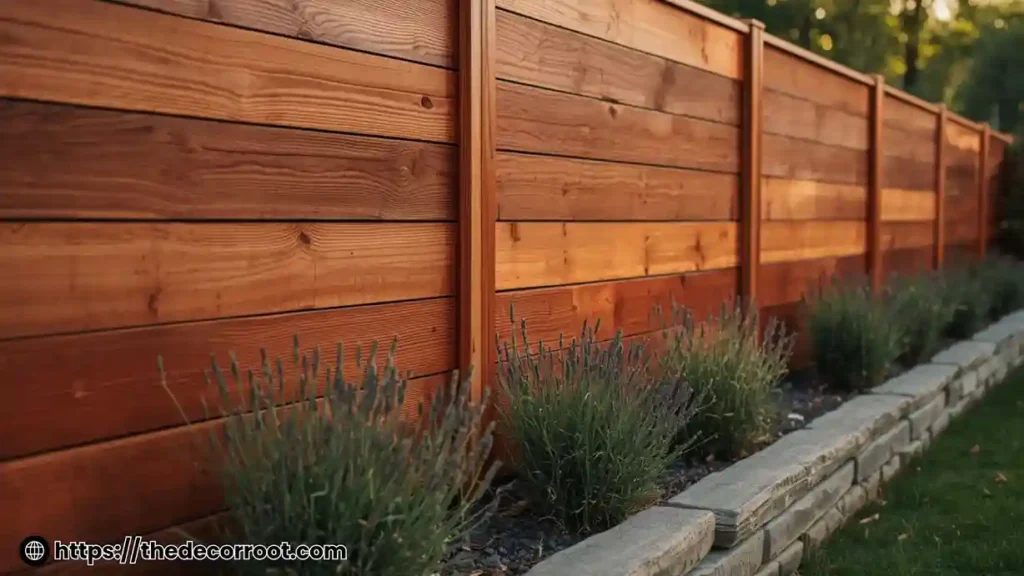
California redwood is prized for its stunning reddish hue, natural oils that resist decay, and dimensional stability. A vertical redwood privacy fence needs minimal maintenance and develops a gorgeous silver-gray patina naturally.
9. Redwood Tongue-and-Groove Fence
Tongue-and-groove redwood fencing creates a seamless, almost wall-like appearance. It’s the ultimate privacy solution and looks stunning stained in its natural tones.
10. Redwood Good-Neighbor Fence
A “good-neighbor” style fence looks identical on both sides, with no ugly back-facing boards. Build it from redwood for longevity and fairness. This style is ideal for shared property lines.
11. Redwood Post-and-Rail
For a sophisticated, open boundary, a redwood post-and-rail fence uses the wood’s natural stability to maintain its shape over decades. Beautiful for garden perimeters or horse properties.
12. Ipe Hardwood Privacy Fence
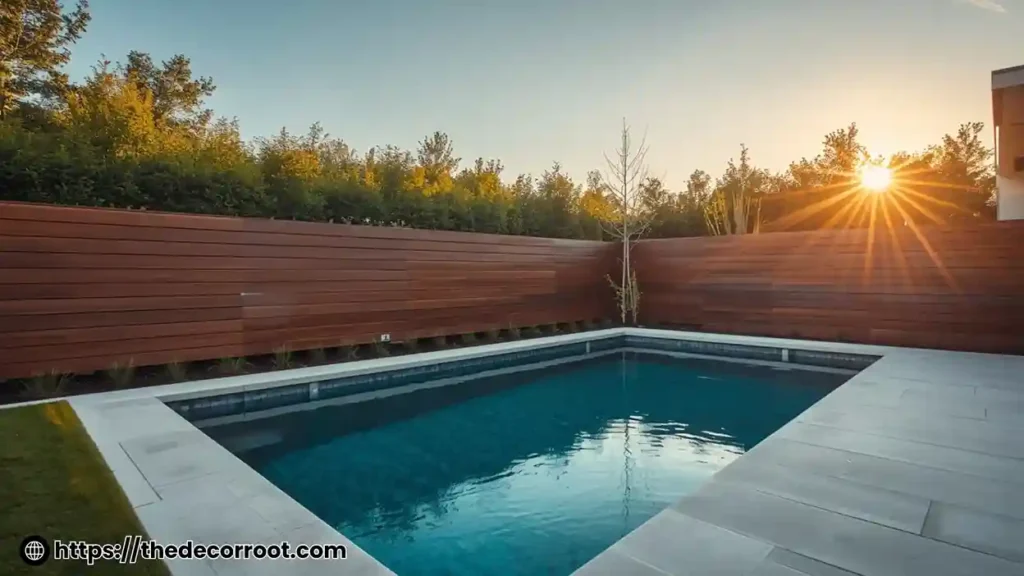
Ipe (pronounced “ee-pay”) is a Brazilian hardwood so dense it’s naturally fire-resistant and nearly impervious to insects and rot. An Ipe privacy fence is the Rolls-Royce of wood fencing; it lasts 40+ years with minimal maintenance and looks extraordinary.
13. Ipe Horizontal Deck-Style Fence
Use Ipe’s density and beauty in horizontal deck-style planks for a fence that matches your Ipe deck. The rich chocolate-brown color is unmatched in the wood world.
14. Ipe Slatted Screen Panel
Ipe slatted screens as fence sections provide partial privacy, wind control, and dramatic visual texture. Use these to frame a patio or pool area for a luxury outdoor room feel.
15. Cedar + Steel Post Hybrid
Combine cedar horizontal boards with powder-coated steel posts for a contemporary fence that marries warmth and industrial edge. The steel posts are maintenance-free, while the cedar boards can be replaced as needed.
16. Rough-Sawn Pine Farmhouse Fence
Rough-sawn pine has a rugged, unpolished texture that suits farmhouse and country properties perfectly. Leave it unstained to weather naturally or apply a gray whitewash for the popular barnwood aesthetic.
17. Tung Oil-Finished Cedar
Skip the heavy stain and apply pure tung oil to cedar. It penetrates the grain, enhances the natural color, repels water, and leaves a natural matte finish that looks like the wood just came to life.
18. White-Washed Redwood Fence
Dilute white paint 50/50 with water and brush it over redwood for a whitewashed, beachy aesthetic. It allows the grain to show through while lightening the overall tone dramatically.
19. Pine Shadowbox with Brick Posts
Alternate pine shadowbox panels between brick columns for a fence that has the permanence of masonry and the warmth of wood. This style adds serious architectural weight to any property.
20. Ipe Over Concrete Base
For the ultimate low-maintenance fence, set an Ipe fence on a concrete knee wall. The wood never touches soil (eliminating ground-level rot risk) while the concrete base adds visual substance.
21. Cedar Grape-Stake Fence
Traditional California grape stakes in cedar create a rustic, cottage-garden fence with beautiful, irregular texture. They’re inexpensive, eco-friendly, and pair gorgeously with a lush perennial garden.
22. Mixed-Species Fence Panels
Alternate cedar and redwood panels for a subtle two-tone wood fence that uses the color variation between species as a design feature. Seal both with the same product for consistent protection.
Quick Action Plan
- Day 1: Measure your fence line and calculate linear footage.
- Day 2: Choose your wood species based on your budget and climate.
- Day 3: Select your fence style (privacy, picket, slat, rail).
- Weekend: Source materials from a local lumber yard or big-box store.
- Following weekend: Install posts, then panels in sequence.
Choose your fence finish with the rest of the exterior in mind. These exterior paint and material color ideas help you land on a palette that ties the fence, house, and landscaping together.
FAQs
Conclusion
The best fence wood ideas are cedar, pine, redwood, or Ipe, depending on your climate, budget, style, and how much time you want to invest in maintenance. Cedar offers the best all-around balance. Pine fits tight budgets. Redwood is a West Coast luxury. And Ipe is for those who want to buy once and forget it forever. Whatever you choose, the right fence transforms your yard from ordinary to extraordinary.
This post contains affiliate links. If you purchase through them, I may earn a small commission at no extra cost to you.
📌 Save this post to Pinterest so you always have your fence wood guide ready when you need it!
⏱ …