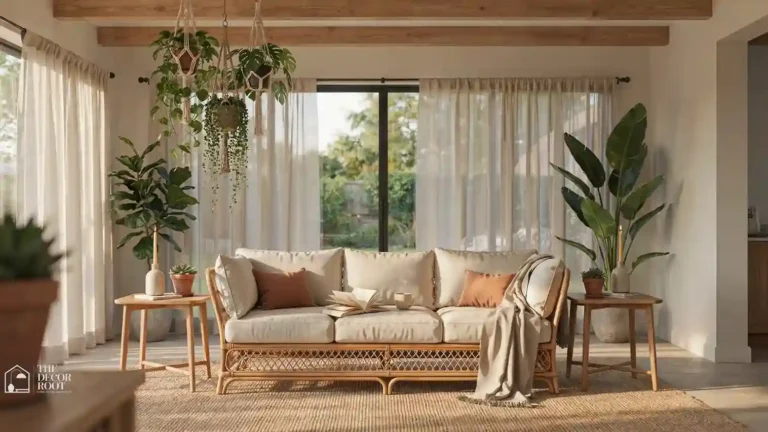
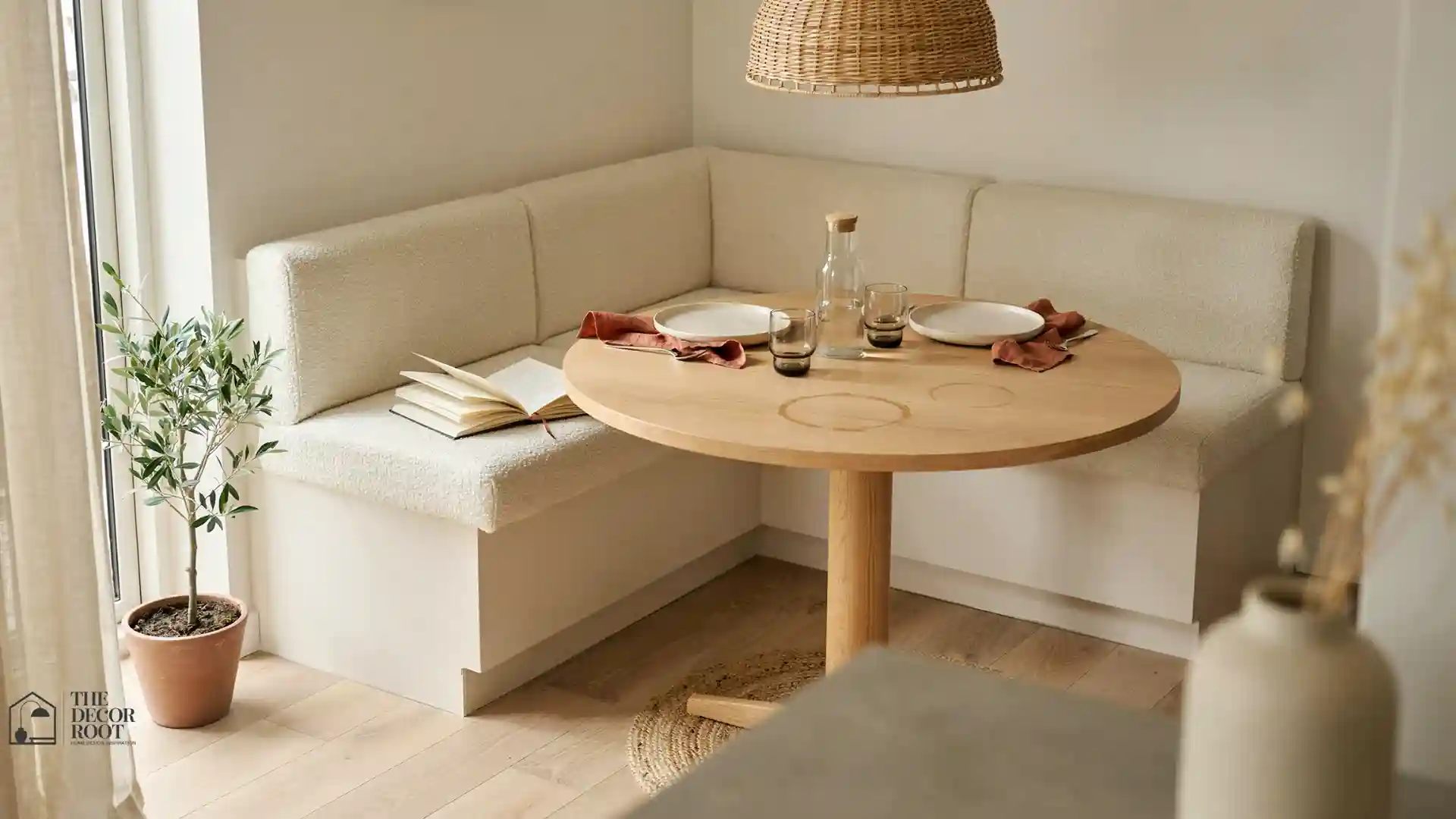
23 Reading Nook Ideas You Will Use Every Day
You already know the feeling: you buy a beautiful book, set it on your nightstand with every intention of getting through it, and then life happens. The couch is too loud. The bedroom is too dark. The dining table feels wrong. The truth is, most people don’t have a reading problem; they have a space problem. The right reading nook ideas don’t just make your home look curated on Instagram. They create a physical destination your brain actually wants to go to. These 23 ideas are designed for real homes, real budgets, and most importantly, real daily use. A reading nook you will use every day is one of the most personally valuable home decorating ideas you can build. A corner designed specifically for reading changes not just how the room looks but how you actually spend your time in it.
This post contains affiliate links. As an Amazon Associate, I earn from qualifying purchases. If you buy through these links, I may earn a small commission at no extra cost to you.
What Makes a Reading Nook Work for Daily Use
The best reading nooks share three qualities: physical comfort that sustains an hour or more, defined boundaries that signal mental separation from the rest of the home, and lighting that matches how and when you read. Understanding these principles first means every design choice you make will work harder and last longer.
The Real Reason Your Reading Corner Isn’t Getting Used
Most reading spaces fail not because of aesthetics, but because of friction. If your chair isn’t comfortable past the 20-minute mark, if the light strains your eyes, or if the spot doesn’t feel psychologically separate from the rest of the room, your brain will find excuses not to go there. The ideas below solve all three problems. Each one is designed to eliminate friction and make daily reading feel like the easiest choice in the house. A reading nook is a room within a room. Browse all our bedroom decorating ideas to see how the same principles of light, comfort, and visual calm that make a nook irresistible apply to every other space in the home.
1. Tuck a Window Seat Into a Bay Frame
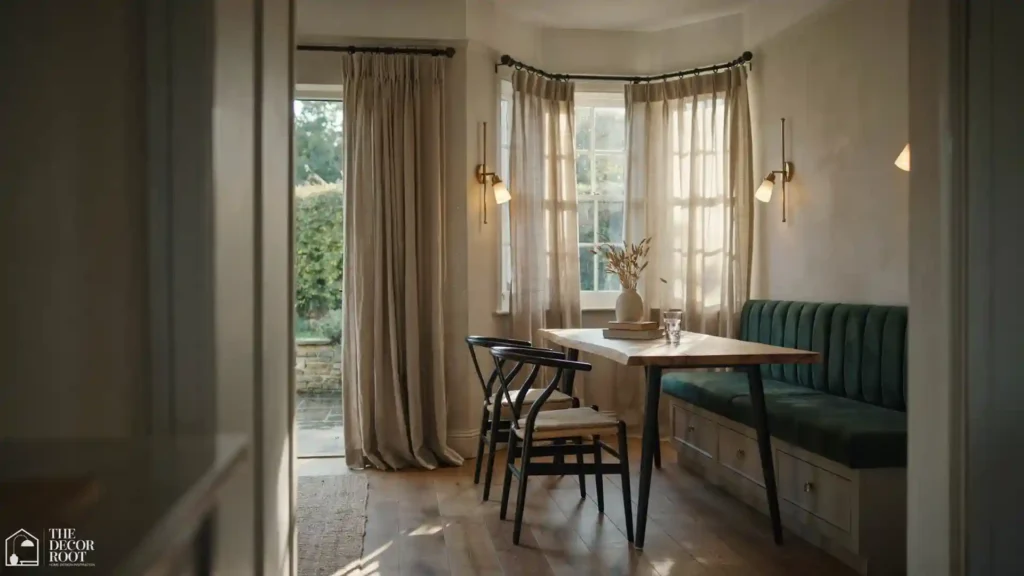
If you have a bay window collecting dust, you’re sitting on the most underused reading nook canvas in your home. Add a cushioned bench with storage underneath, hang sheer curtains on each side, and suddenly you have a built-in sanctuary. Bay window reading nooks rank among the top-searched cozy corner aesthetics on Pinterest and for good reason. The natural light is unbeatable, and the enclosed feeling makes it impossible not to sink in and stay.
EDITOR’S PICK
Window Seat Cushion Sets
Constructed from premium-grade memory foam, these chair cushions adapt to your unique shape for exceptional support and lasting comfort.
(paid link)
2. Build a Closet Reading Nook in an Unused Wardrobe
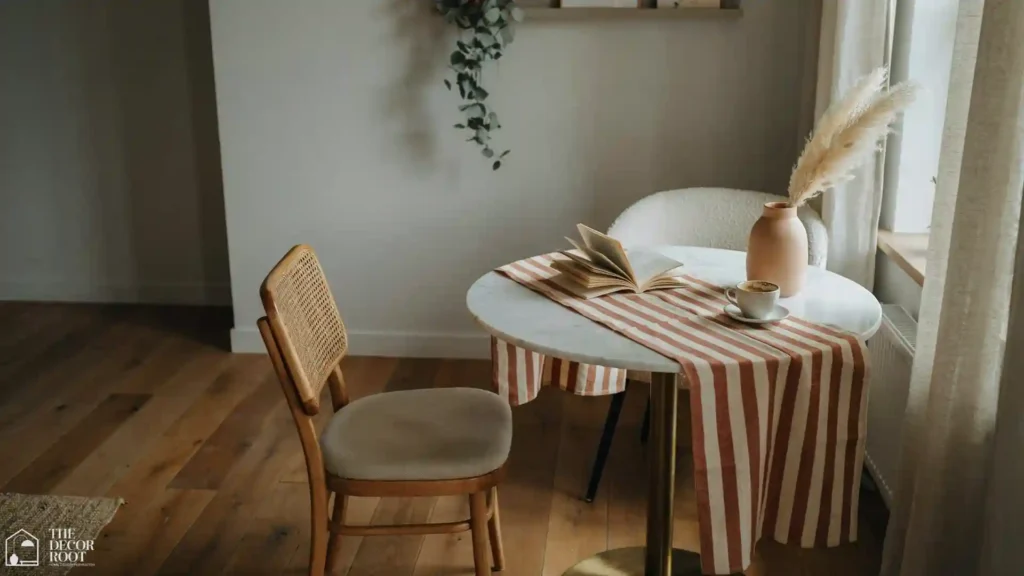
Empty closets are wasted potential. Pull out the rod, add a slim bench with cushions, install a floating shelf at eye level for your stack, and wire in a plug-in sconce. What was dead storage space has become the most-used spot in the room. This works especially well in kids’ bedrooms; it gives them a defined retreat that’s entirely their own. Adults love it too. Contained spaces signal safety to the brain, which is exactly the psychological state you want when reading. A reading nook and a home office share the same fundamental design requirement: a space that supports sustained concentration without distraction. These focused interior design ideas show how the principles of lighting, acoustic comfort, and visual calm that make a reading nook work every day apply equally to a dedicated workspace.
3. Layer Rugs for a Grounded Reading Corner
Layering rugs, a large natural fiber base topped with a smaller patterned one, creates immediate visual weight in a reading nook corner. This grounds the space and tells the eye: this is a destination, not a leftover corner. A jute or sisal base paired with a Persian-style or boucle accent rug works across farmhouse, boho, and traditional reading room aesthetics. Bonus: the layered texture adds warmth underfoot, which makes barefoot reading sessions far more appealing in cooler months.
4. Hang Curtains Around Your Reading Nook to Create an Enclosure
Privacy is underrated in a reading nook. Hanging curtain panels on a ceiling-mounted rod around your chair creates a soft, fabric-walled enclosure that blocks visual noise from the rest of the room. Linen curtains in cream or sage are the most popular choice for American homes right now. They photograph beautifully and diffuse light without blocking it. When you pull them closed, the outside world disappears. That transition is what turns a chair into a ritual.
5. Use a Papasan Chair for Maximum Nest Energy
Few chairs offer the full-body cradling that a papasan does. The round, bowl-shaped seat with a thick cushion is specifically designed for curling, and curling is the universal reading position. Pair it with a side table at arm height, a floor lamp arching overhead, and a basket of throws nearby. The Papasan chair reading nook is a perennial Pinterest favorite because it photographs as warmly as it feels. Update the cushion cover seasonally to keep the look fresh without replacing the frame.
6. Install Floating Shelves Around Your Reading Chair
Surround your reading chair with floor-to-ceiling floating shelves, and you’ve created a library nook without needing a separate room. The visual effect is immersive; you’re literally inside your collection. Use a mix of vertical stacks, horizontal rows, and decorative objects to break the monotony. Keep your current reads at arm’s level and archive older titles higher up. This approach works in small apartments as well as large rooms because the shelves draw the eye upward, making ceilings feel taller.
7. Add a Reading Nook Hammock Chair for a Boho Aesthetic
Hanging hammock chairs, also called swing chairs or macramé hanging chairs, are one of the most-searched reading nook ideas for boho and eclectic interiors. The gentle sway is genuinely relaxing, and the hanging structure means no floor footprint for the seat itself. Install into a ceiling stud or use a freestanding stand if drilling isn’t an option. Pair with a chunky knit throw, a low rattan side table, and a cluster of trailing plants for the full effect.
8. Create a Reading Nook Under the Stairs
The space under a staircase is structurally perfect for a reading nook: naturally enclosed on two sides, often just wide enough for a loveseat or built-in bench, and visually separate from the main living area. Add built-in bookshelves on the angled wall, install recessed lighting, and lay a patterned rug. This is one of the highest-engagement reading corner designs on home decor platforms, partly because it’s a clever use of dead space, and partly because it looks like something out of a storybook.
9. Light It Right With a Task Arc Floor Lamp
Bad lighting kills a reading nook faster than anything else. An arc floor lamp that positions the light source directly over your shoulder eliminates eye strain without requiring ceiling work. Look for lamps with adjustable color temperature: warm white (2700K-3000K) for evenings, cooler daylight settings for daytime reading. The arc style keeps the lamp out of your visual field while maintaining direct task lighting. It’s a functional upgrade that also photographs beautifully as a decorative anchor in the space. The best reading nooks are built around natural light, and the sunroom offers the most generous light of any room in the house. These light-filled reading and sunroom ideas show how to position a reading chair within a sunroom so the light falls at the right angle at every time of day.
10. Use Deep Earth Tones to Set the Mood
Color psychology matters in a reading nook. Deep terracotta, forest green, navy, and warm chocolate tones are proven to reduce anxiety and promote focus, exactly the mental state you need for deep reading. These shades are consistently top-performing in American home decor content right now, particularly for accent walls behind reading chairs. You don’t need to repaint the whole room. A single painted wall or a dark-toned wallpaper panel behind your nook creates the immersive backdrop that makes the space feel intentionally designed.
11. Place a Reading Nook in the Bedroom Corner
The bedroom corner is the most overlooked real estate in the American home. Push a small armchair or chaise diagonally into the corner, add a floor lamp, a side table, and a wall-mounted shelf, and you’ve created a second-use zone that makes the bedroom feel larger by giving it purpose. A bedroom reading corner works especially well for people who want to protect their bed as a sleep-only zone. The chair gives them a place to read without forming associations between the bed and screen time or stimulation.
12. Add a Daybed as a Multi-Use Reading Nook Piece
A daybed covers every reading scenario: sitting upright with pillows stacked behind you, reclining with legs stretched out, or fully lying down when the chapter gets too good to stop. It’s also a guest bed, a lounge seat, and a decorative anchor. For small apartments, a daybed reading nook is a space-efficient win that doesn’t require square footage dedicated to a single activity. Style it with a combination of square pillows, lumbar pillows, and a folded throw at the foot for that editorial, intentional look.
EDITOR’S PICK
Daybed Frames with Trundle
Sturdy alloy steel side rails plus multiple support legs ensure lasting durability and firm, even mattress support.
(paid link)
13. Use Built-In Benches in a Reading Alcove
Architectural alcoves, those recessed wall niches that appear in older American homes and some newer builds, are ready-made reading nook frames. A built-in bench with an upholstered cushion fits flush with the walls, maximizing every inch. Add floating shelves above, a small pendant or plug-in sconce to the side, and a curtain or Roman shade at the front to control privacy. The result looks custom and expensive but is achievable on a moderate budget with flat-pack cabinetry and some finish work.
14. Incorporate Plants Into Your Reading Nook Design
Live plants are the fastest way to make a reading nook feel alive rather than staged. Trailing pothos or heartleaf philodendrons work well on high shelves. A large fiddle leaf fig or monstera beside the chair adds structural drama. Snake plants and ZZ plants thrive in low-light nooks near interior walls. The presence of greenery measurably reduces cortisol levels according to multiple environmental psychology studies, meaning your plant-filled reading corner isn’t just prettier; it’s actively making it easier to decompress and focus. A reading nook framed by plants is more than aesthetic; the presence of living greenery measurably reduces stress and makes a space feel more private and enclosed. These reading nook and plant styling ideas show how to use trailing, upright, and hanging plants to build the sense of a natural alcove around any chair.
15. Use a Reading Nook Ottoman as a Flexible Footrest and Table
A large pouf or ottoman in front of your reading chair does three jobs: footrest, surface for your drink and book, and extra seating when you need it. Leather, boucle, and velvet ottomans are the top-performing styles in home decor content right now. Go for a size that lets you stretch fully at least 20 inches wide. A tray on top keeps things organized and gives you a stable surface for a cup that won’t tip when you shift. It sounds small, but the right footrest transforms a chair into an experience.
16. Try a Ceiling-Mounted Canopy for Drama
A fabric canopy suspended from the ceiling above your reading chair creates a four-poster effect without the bed. This works especially well in rooms with high ceilings and gives an otherwise standard chair a sense of grandeur. Use sheer, lightweight fabric for a romantic look, or heavier linen panels for something more structured. Canopy reading nooks are among the most-saved designs on Pinterest in the cottagecore and maximalist home decor categories. They’re memorable, achievable, and dramatically different from the standard floor lamp and chair setup.
17. Design a Kids’ Reading Nook With Low Shelves and Soft Flooring
Children’s reading nooks should be physically accessible and psychologically inviting. Keep shelves at knee-to-shoulder height so kids can independently choose books. Use foam floor tiles or a thick shag rug as the primary surface kids naturally gravitate to the floor, and a soft base makes long reading sessions comfortable. Add a teepee tent, a curtained alcove, or a bed canopy for the enclosure effect that children respond to. A well-designed kids’ reading corner is one of the highest-impact investments in building a lifelong reading habit.
18. Go Minimalist With a Single Chair, Lamp, and Shelf
The most underrated reading nook setup is also the simplest: one great chair, one great lamp, one shelf. The minimalist approach works particularly well in modern, Scandinavian, and Japandi-influenced interiors where visual clutter actively disrupts the calm. Choose a chair with excellent lumbar support (a wingback or mid-century slipper chair), pair it with an arc lamp in matte black or brass, and mount a single floating shelf at eye level. The restraint of the design is what makes it powerful; every element earns its place.
19. Use Wallpaper as a Statement Behind Your Reading Chair
A single panel of bold wallpaper, botanical, geometric, or maximalist instantly transforms a reading corner into a focal point. This is especially effective in open-plan living areas where you need the nook to visually declare itself as a separate zone. Removable peel-and-stick wallpaper options make this achievable for renters. The botanical mural trend continues to dominate American home decor in 2025, and a reading chair positioned in front of a lush green wallpaper panel is one of the most saved home decor images on Pinterest.
20. Position Your Reading Nook Near Natural Light But Control Glare
Natural light is ideal for daytime reading, but direct sunlight creates screen-like glare on white pages and causes eye fatigue. Position your reading chair to receive side light, not backlight, which silhouettes you, and not front light, which creates glare. Sheer curtains on the nearest window let you diffuse the light intensity while maintaining brightness. In rooms with strong afternoon sun, a cellular shade gives you precise control. The goal is bright, even, shadow-free illumination, the same quality professional photographers chase when shooting interiors.
21. Create a Reading Nook on a Small Apartment Balcony
Outdoor reading nooks on balconies are an underutilized category that delivers outsized returns on investment. A weather-resistant egg chair or papasan, a small side table, a potted plant, and a clip-on umbrella for shade transform a concrete balcony into a retreat. String lights along the railing extend the usability into evening hours. In American cities where outdoor space is at a premium, a balcony reading nook effectively adds an entire room to your living square footage, one that comes with fresh air, natural sound, and a genuine change of scene.
22. Use Scent to Anchor the Reading Experience
Scent is the most direct sensory path to mood, and most reading nook designs completely ignore it. A candle, a reed diffuser, or a small essential oil diffuser placed within the nook (not in the adjacent room) creates a scent anchor that your brain begins to associate with focus and calm over time. Sandalwood, cedar, vanilla, and lavender are the most consistently recommended reading-and-focus scents in behavioral research. The act of lighting a candle before reading becomes a ritual cue that primes your brain for deep concentration before you’ve read a single word.
23. Invest in the Right Reading Chair as Your Foundation
Everything else in a reading nook is secondary to the chair. A poorly supported chair makes reading uncomfortable after twenty minutes, regardless of how beautiful the surrounding setup is. Look for chairs with proper lumbar curve support, seat depth that lets you sit back fully with feet on the floor, and arm height that lets your elbows rest without shoulder elevation. The wingback chair, the Scandinavian lounge chair, and the upholstered accent chair with pillow back are the three most recommended reading chair types for sustained comfort. Invest once, benefit for years.
EDITOR’S PICK
Ergonomic Reading Chairs
Features an ergonomic backrest with built-in lumbar support that mirrors the spine’s natural curve for proper alignment.
(paid link)
Quick Action Plan: Set Up Your Reading Nook This Weekend
- Day 1: Identify your spot. Walk through your home and assess underused corners, alcoves, window bays, or unused closets. Sit in each location for five minutes and notice the light, the noise level, and how enclosed it feels.
- Day 2: Source your chair, lighting, and a side table; these are the non-negotiables.
- Day 3: Add the layer items: rug, curtain, throw, plant. Pin your shortlist to a dedicated Pinterest board before buying anything so you can see the full picture before committing.
FAQs
Conclusion
The right reading nook ideas don’t require a renovation, a dedicated room, or a large budget. They require intention. Pick the idea that matches your actual space and reading habits, not the one that looks best on Pinterest. Build it once, get it right, and you’ll find yourself reaching for a book more often than you reach for your phone. That swap alone is worth every penny.
📌 Loved these reading nook ideas? Save this post to your Pinterest home decor board so you can reference it when you’re ready to build your perfect reading corner!