22 Future Home Design Ideas That Feel Surprisingly Warm and Calm
Every time someone searches for future home design ideas, they brace for the same thing: cold white rooms, sterile tech surfaces, and furniture that looks more like a concept car than a place to live. But the most exciting shift happening in forward-thinking interior design right now is the complete rejection of that vision. The future of home design is warm. It’s textured. It’s calm. These 22 future home design ideas bridge the gap between innovative technology and genuine human comfort, giving you a home that feels like it belongs to tomorrow without making you feel like a guest in it. The future home is being designed around emotional well-being rather than visual novelty. These warm and restorative color ideas explain the psychological science behind why certain palettes feel genuinely calming and how designers are using that knowledge to build interiors that support mental health over time.
This post contains affiliate links. As an Amazon Associate, I earn from qualifying purchases. If you buy through these links, I may earn a small commission at no extra cost to you.
The Design Philosophy Behind These Ideas
The unifying principle across all 22 ideas is biohuman design, spaces engineered to support human nervous systems, not impress Instagram. That means warm material temperature, sound absorption, natural references, and lighting that mimics daylight cycles. Every future-forward element in this list has been chosen because it makes you feel better, not just look impressive. Japandi is the aesthetic that most closely anticipates where future home design is heading: warm wood, matte stone, and a philosophy of intentional restraint that makes technology feel invisible and human experience feel primary. These Japandi and future home design ideas show how the two movements are converging.
The Bigger Picture
Architects and interior designers are increasingly citing the concept of ‘restorative environments’, spaces proven to lower cortisol, increase focus, and improve sleep quality. The future isn’t smart homes full of screens; it’s responsive environments that adapt to your biology. These ideas give you building blocks for exactly that kind of home, whether you’re renovating a single room or designing from scratch. The future home and the minimalist interior share a conviction that less visual noise produces more human flourishing. These calm and intentional interior design ideas show how the editing principles of minimalism are being adopted as the design foundation for homes built to support the next decade of how people live and work.
1. Curved Walls and Archways Over Sharp Corners
Sharp corners and 90-degree angles create subconscious tension; our nervous systems register edges as potential threats. Future home design ideas that use curved walls, arched doorways, and rounded room transitions immediately feel calmer and more human. Even one arched doorway painted in a warm neutral transforms a hallway from transitional to architectural. This is one of the highest-impact, lowest-cost changes you can make.
EDITOR’S PICK
Smart tunable LED lighting systems
Easily mount this slim, flexible COB strip light on clean, dry, smooth surfaces; its bendable body adapts effortlessly to corners.
(paid link)
2. Tunable Smart Lighting That Follows Your Body Clock
Static lighting is one of the biggest design mistakes in modern homes. Future home design uses tunable LED systems that shift from cool white (6500K) in the morning to warm amber (2700K) by evening, automatically following circadian rhythms. The result is a home that feels energizing when you need it and genuinely restful at night without you touching a switch.
3. Boucle and Textured Upholstery Over Slick Surfaces
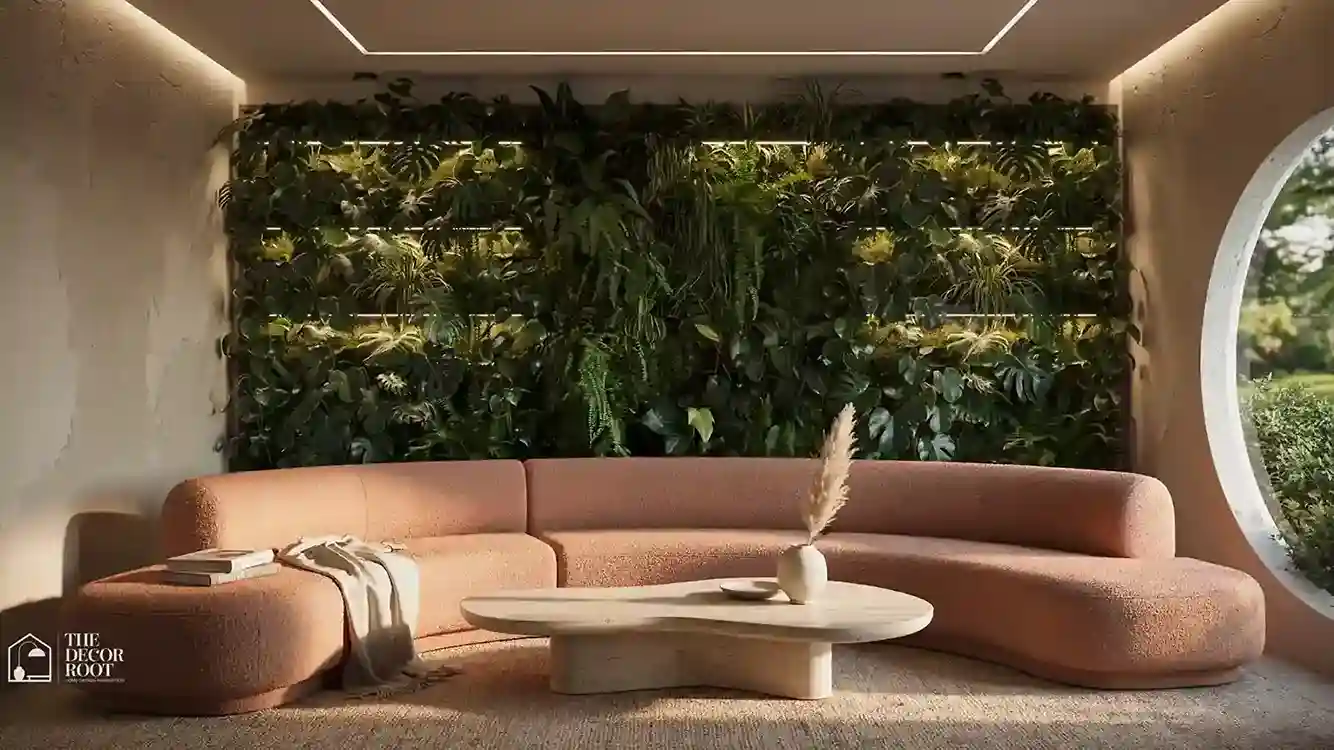
Future home design ideas are pivoting hard away from leather and lacquer toward tactile, textured upholstery: boucle, sherpa, ribbed velvet, and woven linen. These materials photograph beautifully, absorb sound (reducing echo and creating acoustic calm), and feel warmer to the touch. A boucle sofa in warm cream or soft terracotta is the single most effective way to make a modern room feel livable.
4. Integrated Living Plant Walls
A plant wall isn’t just a visual feature; it’s an air quality system, a humidity regulator, and a psychological anchor that signals ‘living space.’ Future home design ideas use integrated plant walls with built-in irrigation and grow lighting, making maintenance manageable. Even a 3×4-foot moss wall or vertical herb garden brings the biological calm of nature indoors with a distinctly forward-thinking aesthetic.
5. Organic-Form Furniture That Rejects the Grid
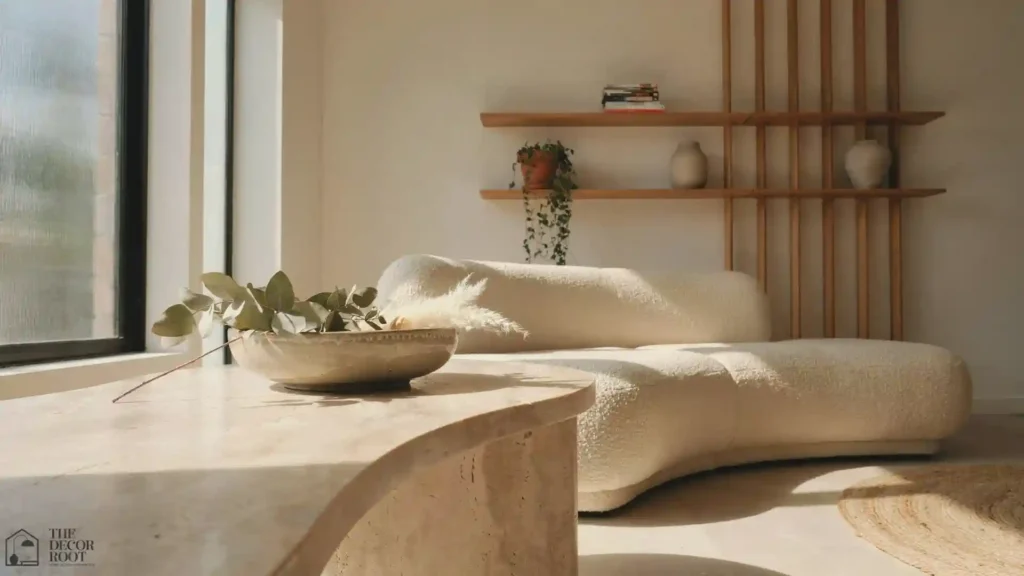
Rectangular furniture on a square grid is the visual grammar of the past. Future home design ideas favor organic shapes: kidney-shaped daybeds, sinuous coffee tables, irregular bookshelves, and pebble-form ottomans. These pieces reference natural forms, river stones, tree roots, and cloud formations and create rooms that feel discovered rather than arranged. The irregularity is what makes them feel alive.
6. Wabi-Sabi Plaster and Textured Walls
Perfectly smooth, painted walls are giving way to tadelakt plaster, limewash, and textured concrete finishes that celebrate variation, depth, and imperfection. This wabi-sabi approach to wall surfaces creates visual warmth that no paint color can achieve because the texture catches light differently at every hour of the day. In future home design, the wall itself becomes an organic artwork.
7. Hidden Technology, Visible Warmth
The most sophisticated future home design ideas make the technology invisible. TV screens that become artwork when off. Speakers integrated into ceiling panels. Smart home controls embedded in warm wood panels with no visible hardware. The goal is a home where the tech serves you without announcing itself, leaving the warmth and materials to define the visual experience entirely.
EDITOR’S PICK
Banana Bean Bag Chair with Ottoman
A banana-shaped 2-in-1 bean bag with an ottoman that switches from floor chair to sofa bed, playful, practical, and space-savvy.
(paid link)
8. Travertine and Natural Stone Surfaces
Travertine, with its natural pitting, warm cream-to-tan tones, and geological history, has become the defining material of warm futurism. Future home design ideas use travertine on coffee tables, bathroom counters, kitchen islands, and even wall cladding. Unlike marble, travertine’s texture and warm tones prevent it from ever feeling clinical, making it the perfect bridge between natural and architectural.
9. Biophilic Design as the Core Structure
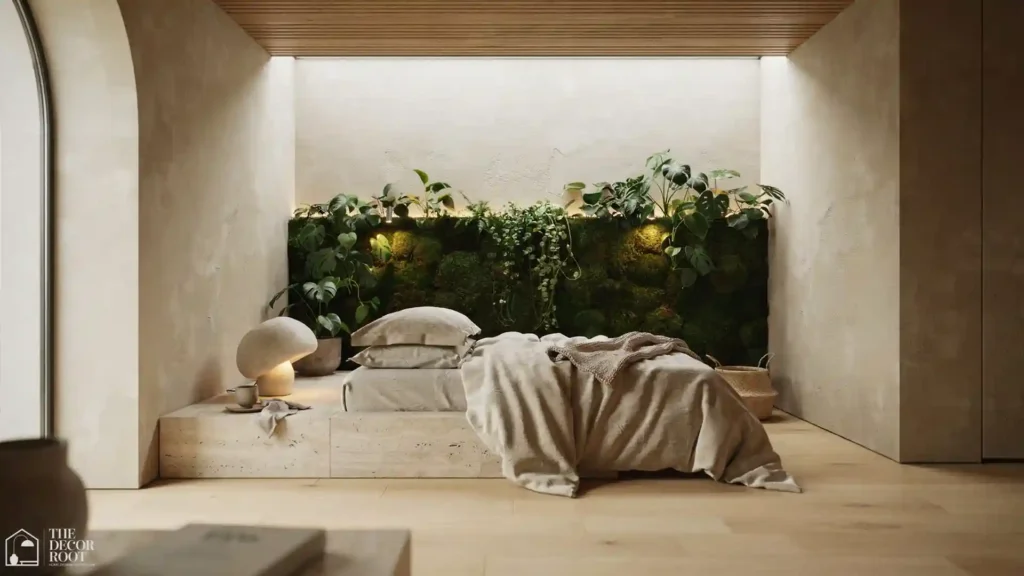
Biophilic design is more than adding plants; it’s structuring spaces around natural references. Future home design ideas built on biophilic principles include: windows positioned to frame specific garden views, furniture arranged around a central living element (fireplace, water feature, or plant wall), and material choices that reference the four natural elements. Homes built this way feel intrinsically calming without requiring any specific style.
10. Warm-Toned Wood Throughout
Blonde woods (ash, white oak, birch) dominated minimalism. Future home design ideas are reaching for warmer tones: walnut, amber-stained oak, eucalyptus, and reclaimed teak. These warmer wood tones absorb and reflect light in amber-gold frequencies that feel biologically welcoming. Use warm wood on floors, ceiling panels, kitchen cabinetry, and shelving for a cohesive effect.
11. Soundscaping Through Material Choice
Future homes are designed not just to look calm but to sound calm. Hard surfaces create echoes and stress. Future home design ideas address acoustics through thick area rugs, fabric wall panels, upholstered ceilings, and curtain walls. These choices reduce background noise by up to 40%, creating the kind of quiet that currently only exists in high-end hotel suites.
12. Multi-Sensory Fireplace Features
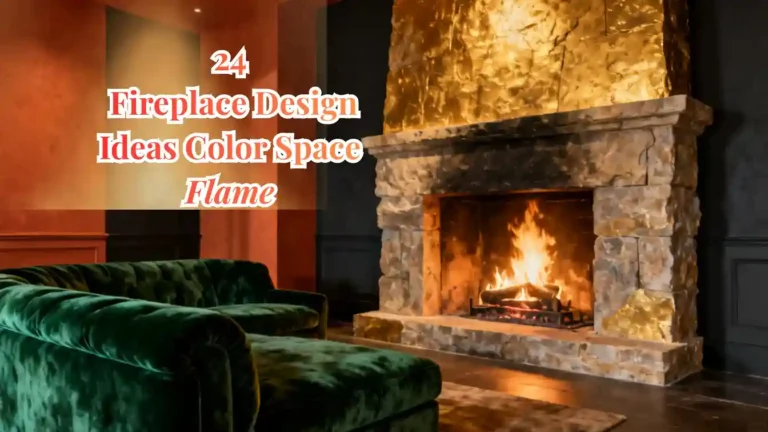
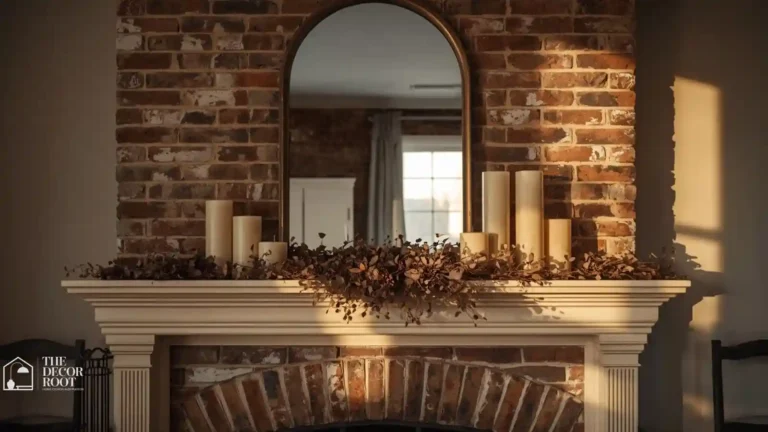
A real, ethanol, or electric fireplace is one of the most powerful tools in future home design ideas because it simultaneously addresses visual warmth (dancing light), thermal comfort (actual heat), and sound (crackle or simulated audio). Wall-mounted panoramic fireplaces with pebble or sand beds make this feature architectural while remaining compatible with any interior style.
13. Scent Diffusion as Architecture
High-end hotels have used scent as a design element for decades. Future home design ideas incorporate built-in HVAC scent diffusers or smart plug-in systems that maintain a consistent low-level fragrance throughout the home. Choose grounding, natural scents, cedar, sandalwood, white tea, or eucalyptus that support the calm atmosphere the space is designed to create.
14. Limewash Paint on Feature Walls
Limewash paint creates depth and variation that look hand-applied and artisanal because it is. The resulting surface shifts in tone as light moves across it during the day, creating a living wall effect that no flat paint can replicate. Future home design ideas use limewash in warm clay, dusty rose, and aged linen tones to add softness to modern architectural spaces.
15. Convertible Spaces for Fluid Living
The future home isn’t divided into fixed-purpose rooms; it’s designed around how people actually live. Sliding panels that open a home office into the living room. Dining tables that lower to coffee table height. Murphy beds with integrated living room shelving. Future home design ideas prioritize flexibility, so spaces serve multiple roles without feeling compromised.
16. Warm Concrete With Radiant Floor Heating
Concrete floors have always felt cold, literally and visually. Future home design ideas pair polished concrete with hydronic radiant floor heating, which delivers warmth directly from underfoot. The result is a floor that looks architecturally minimal but feels genuinely cozy year-round. Add area rugs in natural fibers to complete the contrast between industrial texture and organic warmth.
17. Daybed and Nook Design for Rest Zones
Future homes dedicate space to intentional rest, not just a bedroom, but embedded nooks, window daybeds, and alcove seating designed specifically for reading, napping, or quiet presence. These rest zones signal that the home values human restoration. Line a deep window seat with cushions in warm linen, add a reading light, and a small side shelf it becomes the most-used spot in the house.
18. Earthy, Muted Color Palettes
Future home design ideas are leaving behind white and grey for earth-toned palettes: clay, warm sand, dusty terracotta, sage, ochre, and mushroom. These colors reference the ground, plant life, and stone, biological signals of safety and belonging. They also photograph beautifully in natural light, aging more gracefully than trend colors that date quickly.
19. Integrated Bookshelf Architecture
Built-in shelving that wraps around doorways, spans full walls, or creates room dividers does something shelving units cannot: it makes the architecture itself feel personal. Future home design ideas use integrated shelving as organizational infrastructure and decor simultaneously. Style with books, plants, objects, and negative space in equal measure for a lived-in, curated feel.
20. Outdoor-Indoor Continuity
Future home design ideas dissolve the boundary between inside and outside. Floor-to-ceiling glass walls, outdoor rugs that extend interior materials onto patios, potted trees that move between spaces, and retractable glass doors create seamless transitions. Even in cold climates, a winter garden room with glass walls and heated floors achieves this effect year-round.
21. Tactile Ceiling Treatments
Ceilings are the most neglected surface in most homes. Future home design ideas use ceilings as active design elements: rattan panels, warm wood slat ceilings, plaster relief patterns, or integrated ambient LED that glows from recessed channels. A warm wood slat ceiling over a living room immediately makes the room feel like a retreat, lowering the perceived ceiling height for a cocooning effect.
22. Quiet Luxury Material Layering
Quiet luxury isn’t about brand names; it’s about material quality and layering. Future home design ideas achieve quiet luxury through: natural linen over cotton, linen-velvet mix cushions, travertine over engineered stone, handmade ceramic over mass-produced pottery. The layering of genuinely natural, artisan, and tactile materials creates an atmosphere of considered calm that no single statement piece can replicate.
EDITOR’S PICK
Biophilic Decor Accessories
Suited for everyday lounging and special events alike, weddings, parties, vacations, New Year, Easter, birthdays, anniversaries, baby showers, housewarmings, and beyond.
(paid link)
Quick Action Plan
- This week: Switch your bulbs to a warm-tunable LED system and set them to shift automatically at sunset.
- This month: Replace one synthetic throw with a natural boucle or linen alternative, and add one living plant to your main living space.
- Next 90 days: Plan one organic-form furniture piece, one limewash accent wall, and a dedicated rest nook. Build the future of your home one material at a time; the compound effect is transformative.
Frequently Asked Questions
Conclusion
The most exciting thing about these future home design ideas is that they prove tomorrow’s home is warmer, calmer, and more human than the sterile vision we were sold. Every curved wall, warm wood surface, and tunable light source is a choice to design for how you actually feel, not just how your home looks on a screen. Start with one idea. Build from there. The future of home is already within reach.
📌 Inspired by these future home design ideas? Save this post to your Pinterest dream home board and come back to it when you’re ready to build your most beautiful space yet!