20 Modern Japandi Living Room Ideas to Copy
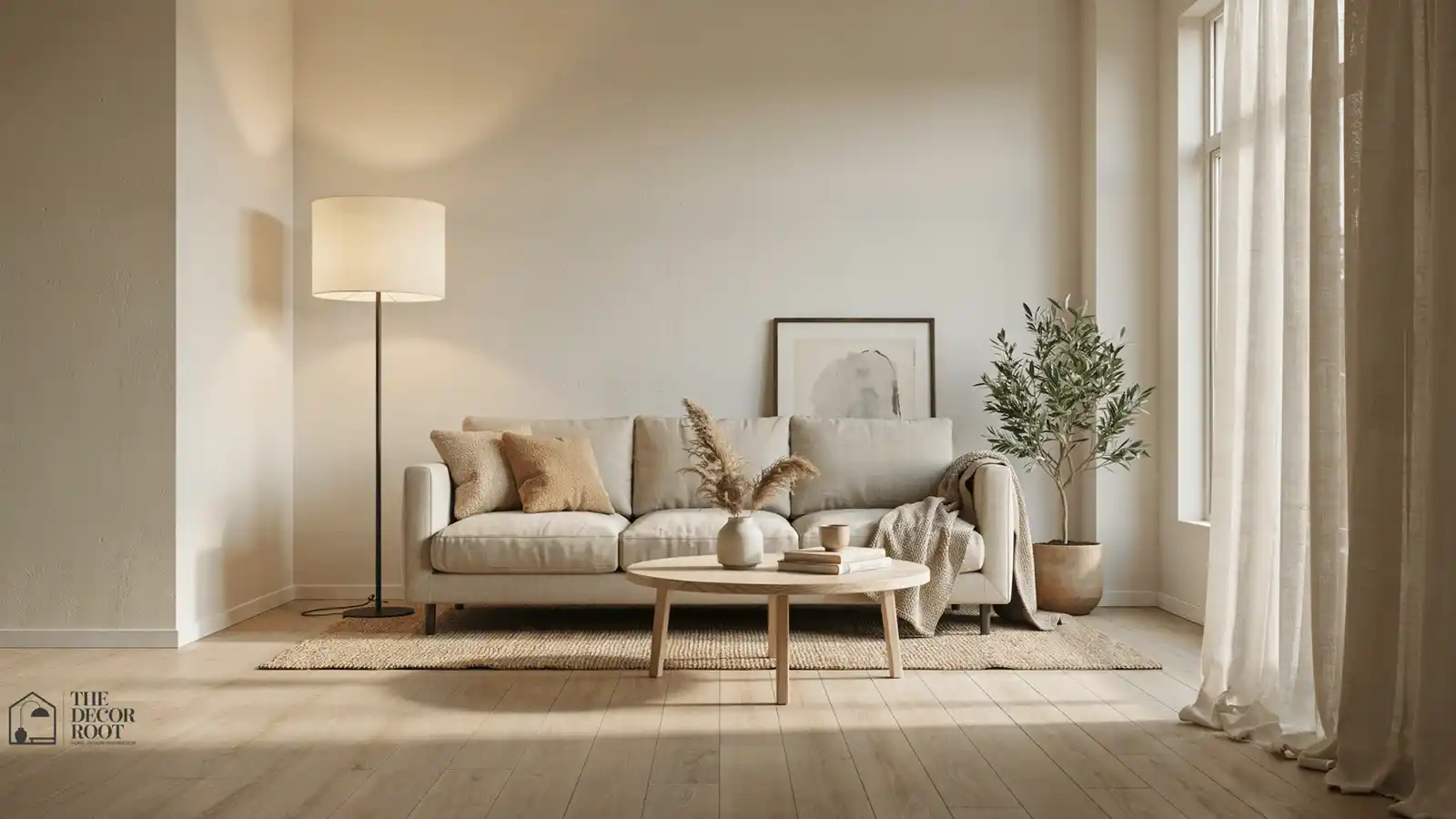
If your living room feels either too bare or too cluttered and never quite “calm,” a modern Japandi living room might be the fix you’ve been searching for. This style blends Japanese minimalism with Scandinavian warmth, giving you a space that feels intentional without feeling cold. These 20 ideas break down exactly how to bring that look into your own home, piece by piece. A modern Japandi living room is one of the most quietly compelling home decorating ideas available; the fusion of Japanese wabi-sabi philosophy and Scandinavian hygge warmth produces a room that is simultaneously spare and deeply inviting, built on natural materials and the deliberate beauty of space.
This post contains affiliate links. As an Amazon Associate, I earn from qualifying purchases. If you buy through these links, I may earn a small commission at no extra cost to you.
The Two Ideas Behind Japandi
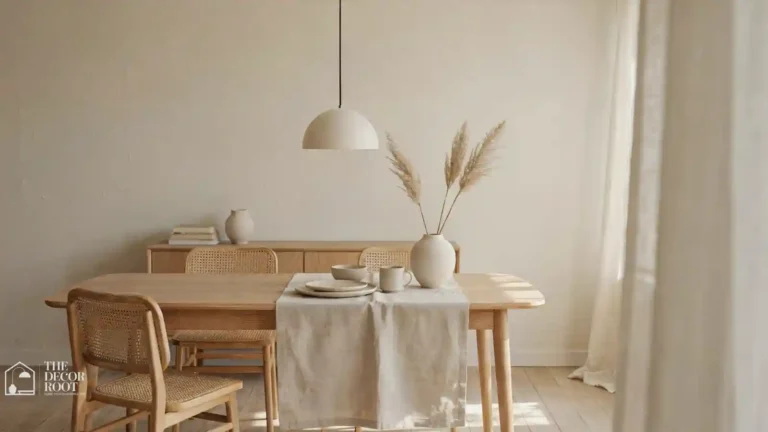
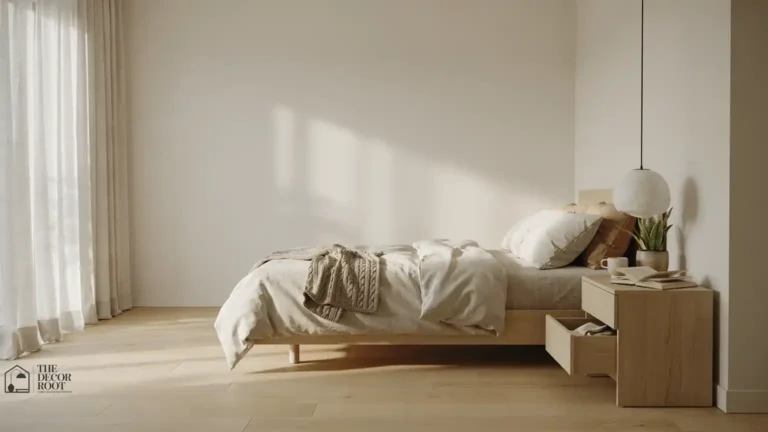
Japandi works because it pulls restraint from Japanese design and coziness from Scandinavian style. That means low furniture, natural materials, and neutral colors, softened with texture like linen, boucle, and warm wood tones so the room never feels sterile or under-furnished. A Japandi living room is most powerful when the bedroom speaks the same language. These Japandi bedroom design ideas show how the same warm wood, muted linen palette, and philosophy of intentional restraint that define the living room create a sleeping space that feels genuinely restorative.
The Real Appeal of This Look
A modern Japandi living room photographs beautifully because every piece earns its place, but it also functions well in real life. Fewer, better pieces mean less to clean, less visual noise, and a room that feels the same kind of calm every single day, not just when it’s freshly tidied. Japandi is one of the most considered living room directions available. Browse all our Japandi decorating ideas to see how it compares with white, cottagecore, MCM, boho, and moody approaches to the same space.
1. Choose Low-Profile Furniture
Sofas and chairs sitting closer to the ground are a core Japandi signature, creating an open, grounded feeling in the room.
EDITOR’S PICK
Low-Profile Wood-Frame Coffee Table
This composite wood TV stand offers a clean, minimalist profile that fits any room. Assembly is required. Overall dimensions: 35.5″ L x 21.6″ W x 15.7″ H. A budget‑friendly choice that combines functionality with simple style.
(paid link)
2. Stick to a Neutral Palette
Base your room on oatmeal, cream, warm gray, and soft charcoal, reserving any bold color for a single small accent.
3. Bring In Natural Wood Tones
Light oak or ash wood furniture adds warmth that keeps a minimal room from feeling stark or unfinished.
4. Add One Statement Paper Lamp
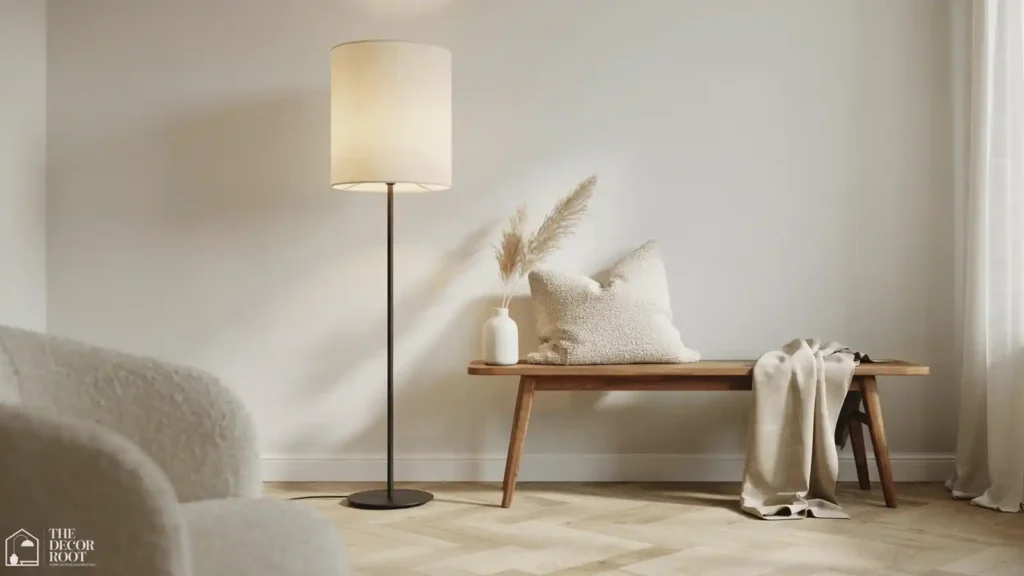
A large paper or rice-paper floor lamp introduces soft, diffused light and an unmistakable Japanese design cue.
5. Layer in Bouclé Texture
A boucle throw pillow or ottoman softens the room’s clean lines and adds tactile warmth against wood and linen.
6. Keep Walls Mostly Bare
Resist filling every wall. One or two pieces of simple, framed art create far more impact than a full gallery wall in this style.
7. Use a Low Floating Media Console
A slim, wall-mounted or low media console keeps the room’s visual weight close to the floor, a defining Japandi trait.
8. Incorporate Woven Floor Poufs
A woven jute or rattan pouf adds flexible extra seating and organic texture without breaking the minimal look.
EDITOR’S PICK
Woven Jute Floor Pouf
Natural jute boho pouf (19″x19″x10.5″), ottoman, footstool, extra seat, or side table; compact and versatile for any room.
(paid link)
9. Add a Single Sculptural Plant
One larger plant, like an olive tree or fiddle leaf fig, brings life into the room without cluttering it with multiple smaller pots.
10. Choose Linen Over Synthetic Fabrics
Linen curtains and upholstery add natural texture and movement, reinforcing the organic, unfussy feel central to Japandi style.
11. Introduce a Low Wood Bench
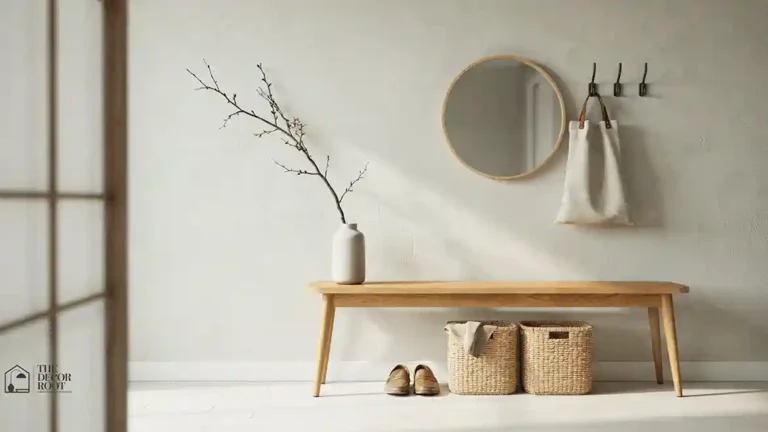
A simple wood bench along a wall or at the foot of a sofa doubles as extra seating and a display surface for one or two objects.
12. Use Negative Space as a Design Tool
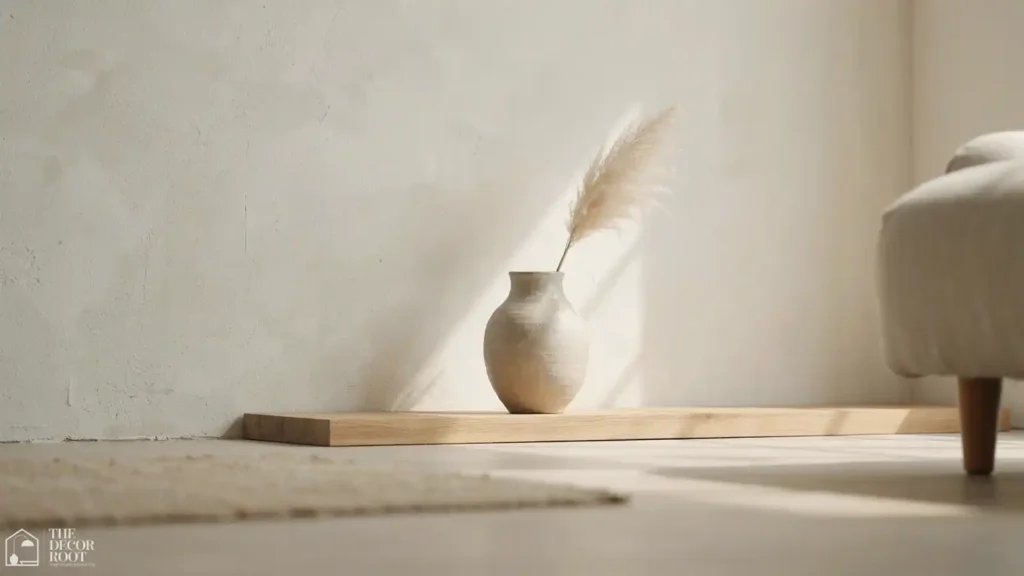
Leave open floor and wall space intentionally. In Japandi design, space is treated as a feature, not something to fill.
13. Add Subtle Black Accents
A single black metal frame, lamp base, or side table adds quiet contrast against all the warm neutrals in the room.
14. Choose a Low-Pile Neutral Rug
A flat-weave or low-pile rug in a soft neutral tone keeps the floor grounded without adding visual bulk.
15. Display Ceramics With Imperfect Texture
Handmade-looking ceramic vases or bowls with slightly uneven textures reflect the wabi-sabi philosophy of embracing natural imperfection.
16. Keep Storage Closed and Simple
Choose furniture with closed storage, like a simple wood cabinet, to keep clutter out of sight and maintain the room’s clean lines.
17. Add Warmth With Table Lighting
A small ceramic or wood-based table lamp with a warm bulb adds a cozy glow that balances out the room’s minimal styling.
18. Use Shoji-Inspired Screens
A folding screen with a simple wood frame and paper or fabric panel can divide a space while reinforcing the Japanese half of Japandi.
19. Limit Your Color Palette to Three Tones
Stick to roughly three core colors, such as cream, warm gray, and walnut, across the entire room for a cohesive, calm effect. Japandi and white living rooms share the same instinct toward a calm, uncluttered interior. These white and minimal living room ideas show how the white living room approach achieves a similar quality of light and space through a purely tonal palette, while Japandi brings warm wood and natural texture into the same equation.
EDITOR’S PICK
Ceramic Vase Set, Neutral Tones
This 4‑piece ceramic vase set features unique silhouettes in soft neutral and peachy tones, creating a coordinated yet varied display. The matte finish and contemporary minimalist forms suit farmhouse, boho, and modern interiors alike.
(paid link)
20. Edit Ruthlessly Before You Finish
Once the room is styled, remove one item you’re unsure about. Japandi design rewards restraint, and the version with less is almost always the stronger one.
Quick Action Plan
- Start this week by removing anything from your living room that doesn’t serve a clear purpose or that you wouldn’t miss.
- Next, choose one low-profile furniture piece to anchor the room, then add exactly one plant, one lamp, and one textured pillow.
- Resist adding more until you’ve lived with this simpler version for a few days.
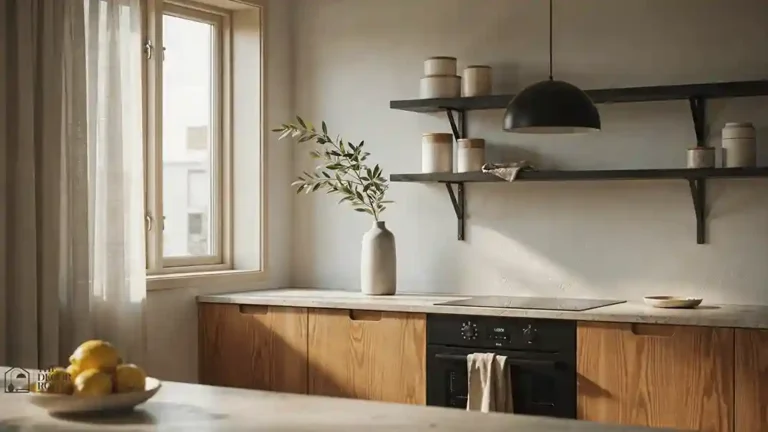
A Japandi living room is most resolved when it connects to an equally considered kitchen. These Japandi kitchen ideas show how the same warm wood, matte stone, and restrained palette flow naturally from the living area into the kitchen for a complete open-plan interior that feels like one cohesive Japandi statement.
FAQs
Conclusion
A modern Japandi living room proves that calm and cozy aren’t opposites. By combining low, natural furniture with warm textures and restrained color, you can build a space that feels both curated and completely livable, no major renovation required.
Save this post to Pinterest so you always have Japandi living room ideas ready for your next refresh!