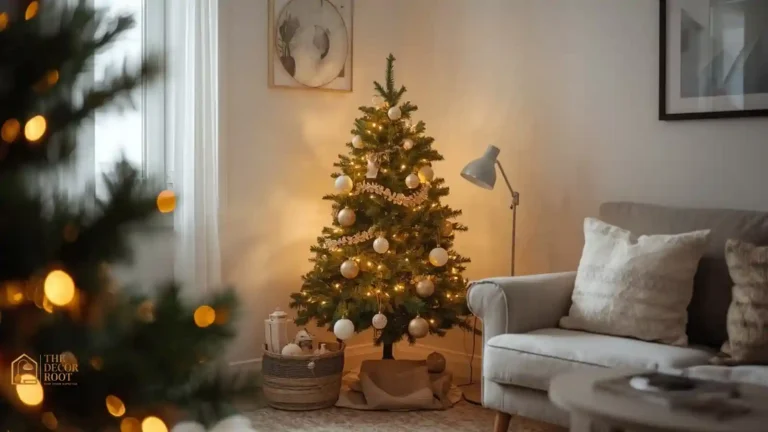
25 Japandi Christmas Ideas That Stay Minimal
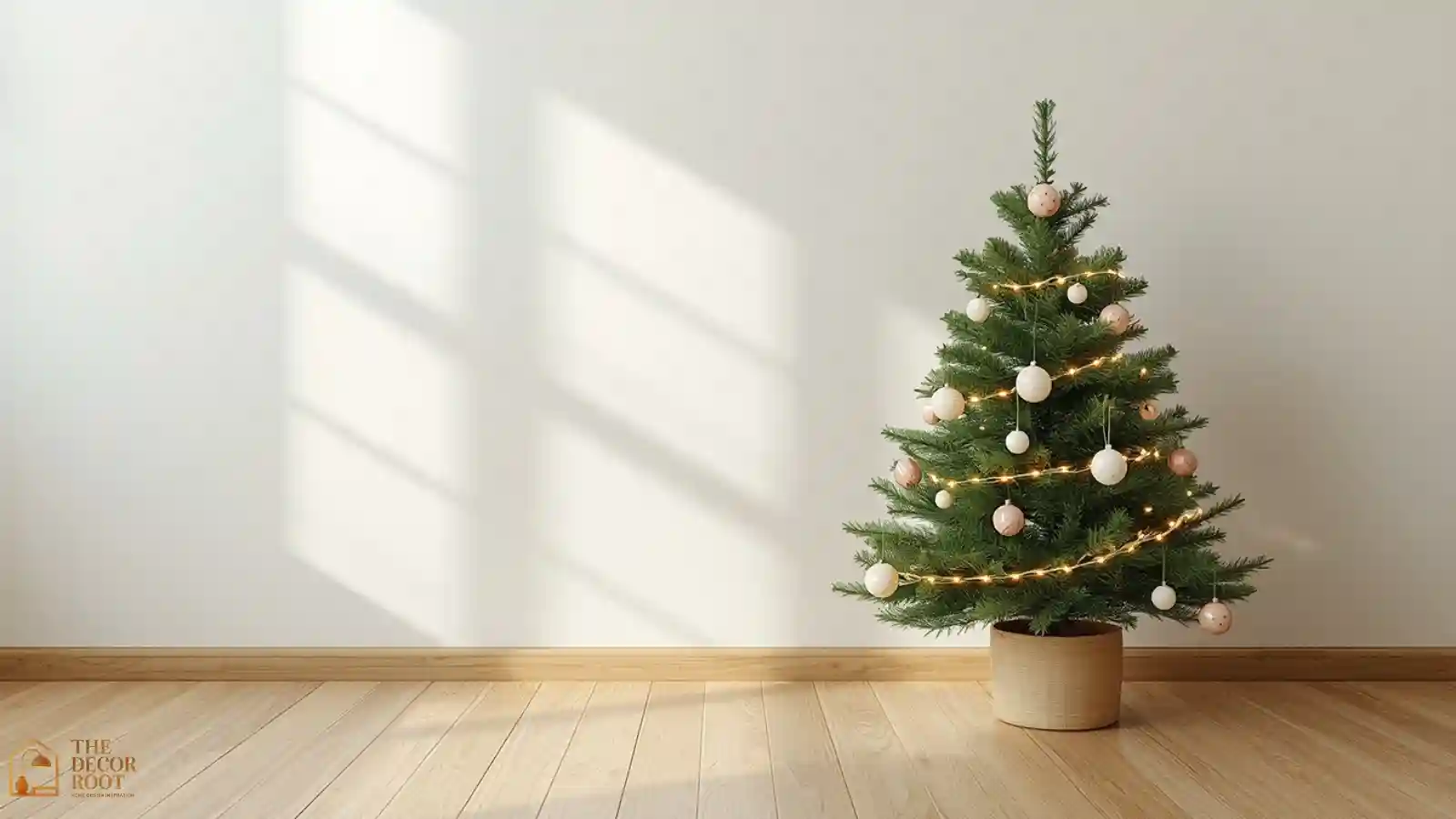
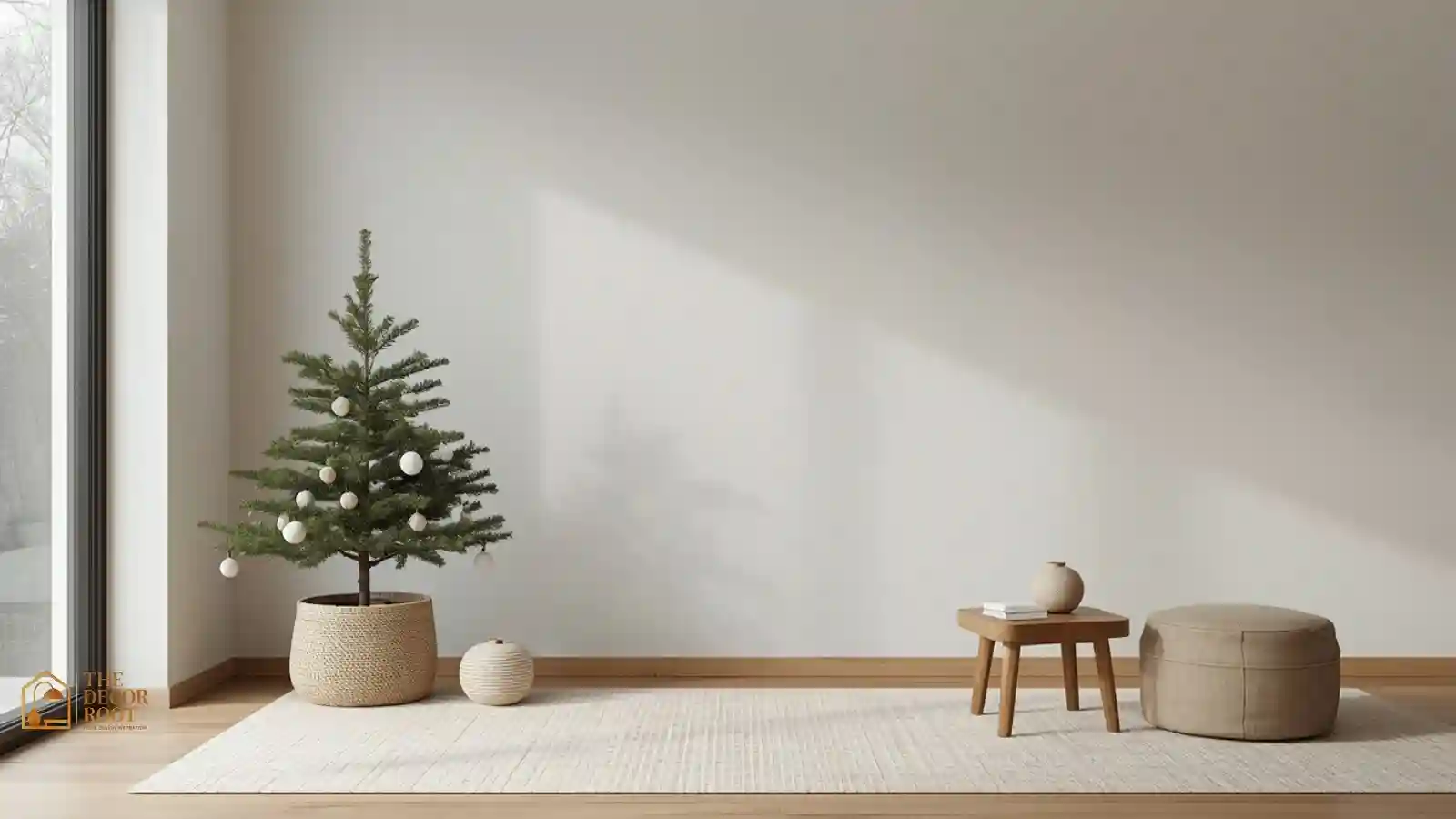
Japandi Christmas styling uses fewer ornaments, placed with intention.
Most holiday decorating advice pushes you toward more, more ornaments, more lights, more surfaces covered. Japandi Christmas ideas go the other direction on purpose, borrowing the quiet, considered restraint of Japanese and Scandinavian design so the season feels calm instead of chaotic. For more calm, considered home decor once the holidays wrap up, this same philosophy- fewer pieces, better materials, more negative space- carries straight through into January without needing a full re-decorate.
This post contains affiliate links. As an Amazon Associate, I earn from qualifying purchases. If you buy through these links, I may earn a small commission at no extra cost to you.
What Ties These Ideas Together
Every idea on this list follows the same rule: if a piece doesn’t add real warmth or texture, it doesn’t earn a spot on the tree or the mantel. That means fewer ornaments overall, chosen in matte, natural finishes rather than glossy primary colors, with negative space treated as part of the design rather than a gap to fill. If this base aesthetic appeals to you beyond December, browse all our Japandi interior design ideas for the same quiet, materials-first approach applied to every other room in the house. The payoff is a holiday look that feels considered rather than crowded, and that’s noticeably easier to take down and store come January.
1. Unglazed Ceramic Ornaments
Matte, unglazed ceramic ornaments in simple geometric shapes- spheres, teardrops, discs- replace the glossy glass balls most trees default to. The raw clay finish reads as intentional and handmade rather than mass-produced, and the muted tones (bisque, charcoal, soft terracotta) sit quietly against a green tree instead of competing with it. Hang them sparsely, with visible space between each one, since crowding defeats the purpose of choosing a restrained material in the first place. A tree with 15–20 well-placed ceramic ornaments reads far calmer than one with 60 mixed pieces, even though it took less time to decorate. Unglazed stoneware ornament set
EDITOR’S PICK
🛒Unglazed Ceramic Ornaments
Matte, unglazed ceramic ornaments in simple geometric shapes- spheres, teardrops, discs- replace the glossy glass balls most trees default to.
(paid link)
2. A Single Species of Greenery
Instead of mixing pine, holly, cedar, and eucalyptus into one arrangement, commit to a single greenery type throughout the whole space- just pine, or just cedar. This single-material discipline is a core Japandi principle applied to seasonal decor, and it makes even a simple garland or wreath look deliberate rather than assembled from whatever was available at the store. Buy slightly more than you think you need of the one type, since a sparse, thin garland reads as accidental rather than minimal; the goal is restraint in variety, not in volume.
EDITOR’S PICK
🛒A Single Species of Greenery
Instead of mixing pine, holly, cedar, and eucalyptus into one arrangement, commit to a single greenery type throughout the whole space, just pine, or just cedar.
(paid link)
3. Neutral Wrapping Paper With One Accent Ribbon
Wrap every gift in the same neutral kraft paper or plain cream stock, then vary only the ribbon, a single accent color like rust, sage, or charcoal, tied simply with no bows or curls. Grouped under the tree, this creates a cohesive, almost gallery-like presentation instead of the usual mismatched pile of patterns and colors. It’s also more budget-friendly than buying several rolls of printed paper, since one large roll of kraft paper covers far more gifts than a smaller specialty roll, with cost savings that add up across a full household’s worth of presents.
EDITOR’S PICK
🛒Neutral Wrapping Paper With One Accent Ribbon
Wrap every gift in the same neutral kraft paper or plain cream stock, then vary only the ribbon, a single accent color like rust, sage, or charcoal, tied simply with no bows or curls.
(paid link)
4. A Low, Wide Ceramic Bowl of Ornaments
Rather than hanging every ornament, pile a few extras into a low, wide ceramic or stoneware bowl and set it on a coffee table or console. This gives you a secondary decorative moment without adding to visual clutter on the tree itself, and it’s a practical way to use ornaments that don’t quite fit the tree’s spacing. Choose a bowl in a natural clay or stone finish rather than glossy ceramic, and keep the ornament colors within your existing palette so the bowl reads as a styled vignette, not overflow storage.
EDITOR’S PICK
🛒A Low, Wide Ceramic Bowl of Ornaments
Rather than hanging every ornament, pile a few extras into a low, wide ceramic or stoneware bowl and set it on a coffee table or console.
(paid link)
5. Charcoal and Ivory Stockings
Skip red and green stockings entirely in favor of solid charcoal and ivory linen or canvas versions, hung with simple wood clips instead of ornate hooks. The tonal pairing photographs beautifully against most mantel colors and, more importantly, blends into year-round decor once taken down, no bright pattern to store away and forget about until next November. If you want a small pop of contrast, a single rust or clay-colored stocking among the neutrals draws the eye without breaking the overall restrained palette.
EDITOR’S PICK
🛒Charcoal and Ivory Stockings
Skip red and green stockings entirely in favor of solid charcoal and ivory linen or canvas versions, hung with simple wood clips instead of ornate hooks.
(paid link)
6. Paper Lantern String Lights
Trade standard bulb string lights for a version with small paper or fabric lantern shades. The diffused, warm glow feels softer and more atmospheric than exposed bulbs, and the lanterns themselves read as a design object rather than purely functional lighting. Use them sparingly, a single strand along a mantel or wrapped once around a small tree, rather than layering multiple strands, since restraint in lighting is just as important to the Japandi look as restraint in ornament count. Stick to warm white bulbs only; cool white or multicolor breaks the calm, muted mood entirely. Warm white paper lantern string lights
EDITOR’S PICK
🛒Paper Lantern String Lights
Trade standard bulb string lights for a version with small paper or fabric lantern shades.
(paid link)
7. A Single Statement Branch Instead of a Full Tree
For a genuinely minimal alternative to a full tree, hang or lean a single large bare branch; manzanita or birch work well, and decorate it sparsely with a few ceramic ornaments and one light strand. This works especially well in small apartments or as a secondary decorative moment in a bedroom or home office where a full tree isn’t practical. It’s also strikingly photogenic against a plain wall, giving you a strong focal point using almost no floor space and very little decor overall.
EDITOR’S PICK
🛒A Single Statement Branch Instead of a Full Tree
For a genuinely minimal alternative to a full tree, hang or lean a single large bare branch; manzanita or birch work well, and decorate it sparsely with a few ceramic ornaments and one light strand.
(paid link)
8. Handmade Washi Paper Ornaments
Simple folded or cut ornaments made from washi paper or other textured handmade paper add a quiet, tactile element to the tree without introducing shine or bold color. Basic geometric folds, stars, diamonds, and simple origami cranes work well and can be made in an evening with paper, scissors, and thread. Choose paper in muted tones rather than bright metallics or patterns, since the goal is texture and craft, not visual noise. This is also one of the more budget-friendly and kid-friendly ideas on this list if you’re decorating with children.
EDITOR’S PICK
🛒Handmade Washi Paper Ornaments
Simple folded or cut ornaments made from washi paper or other textured handmade paper add a quiet, tactile element to the tree without introducing shine or bold color.
(paid link)
9. A Muted, Tonal Color Palette Throughout
Commit the entire space, tree, mantel, table, wrapping, to one tonal palette: warm beige, soft charcoal, muted sage, or bisque, with no bright accent colors at all. This is the single biggest departure from traditional holiday decorating and the thing that most defines a Japandi Christmas look. It requires some discipline when shopping, since most seasonal decor leans toward bright red and green by default, but the payoff is a space that feels cohesive from every angle rather than having isolated “holiday corners.”
EDITOR’S PICK
🛒A Muted, Tonal Color Palette Throughout
Commit the entire space, tree, mantel, table, wrapping, to one tonal palette: warm beige, soft charcoal, muted sage, or bisque, with no bright accent colors at all.
(paid link)
10. Simple Linen Table Runners Instead of Full Tablecloths
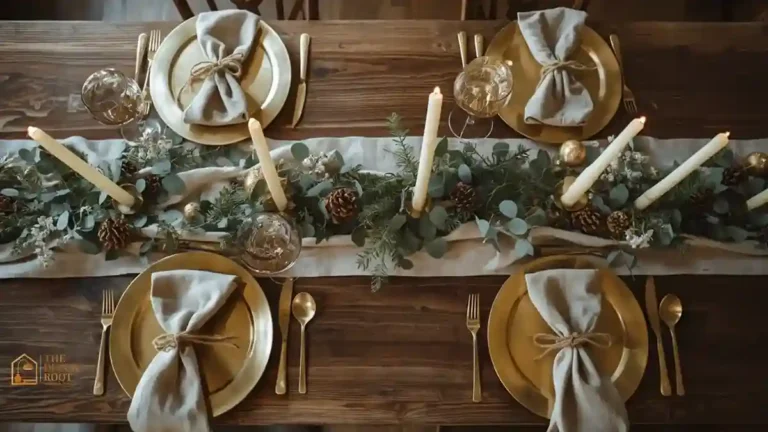
A plain linen runner down the center of a bare wood table, rather than a full tablecloth, lets the table’s natural material show through, a core Japandi principle of letting materials speak for themselves. Choose a runner in a neutral or single muted tone, and resist the urge to add a printed holiday pattern. Pair it with simple stoneware plates and unmatched, mismatched-but-coordinated glassware for a table that feels considered without looking like a matched place-setting kit purchased as a single set.
EDITOR’S PICK
🛒Simple Linen Table Runners Instead of Full Tablecloths
A plain linen runner down the center of a bare wood table, rather than a full tablecloth, lets the table’s natural material show through, a core Japandi principle of letting materials speak for themselves.
(paid link)
11. Minimalist Linen Table Runner With Frayed Edge Detail
For a slightly more textured take on the plain runner above, look for one with a raw, frayed edge instead of a hemmed finish, a small detail that adds handmade character without introducing pattern or color. This works particularly well layered under the low ceramic bowl of ornaments mentioned earlier, connecting the tablescape to the rest of the room’s styling. Choose an off-white or warm gray linen, which shows less staining during a holiday meal than a stark white version while still keeping the palette light and calm. Natural linen table runner with frayed hem
EDITOR’S PICK
🛒Minimalist Linen Table Runner With Frayed Edge Detail
For a slightly more textured take on the plain runner above, look for one with a raw, frayed edge instead of a hemmed finish, a small detail that adds handmade character without introducing pattern or color.
(paid link)
12. Bare Branches With a Single Ornament Each
Rather than clustering ornaments, hang exactly one on each bare branch used in an arrangement or vase display, a technique borrowed directly from ikebana-adjacent styling. The generous negative space between branches and the single point of interest on each one is a very literal application of the “less but better” Japandi principle. This works well as a console table or entry display, giving you a strong seasonal moment in a small footprint without needing a full tree or garland in that particular space.
EDITOR’S PICK
🛒Bare Branches With a Single Ornament Each
Rather than clustering ornaments, hang exactly one on each bare branch used in an arrangement or vase display, a technique borrowed directly from ikebana-adjacent styling.
(paid link)
13. Handwoven Baskets for Firewood and Blankets
If you have a fireplace, swap a plastic or metal firewood holder for a large handwoven basket, and use a second smaller one to store extra throw blankets nearby. This isn’t decor added specifically for the holidays; it’s functional storage styled well, which is very much the Japandi approach of decorating through utility rather than ornamentation. Choose baskets in natural, undyed fiber, and keep them slightly under-filled rather than overflowing, since a tidy, half-full basket reads calmer than one stuffed to capacity.
EDITOR’S PICK
🛒Handwoven Baskets for Firewood and Blankets
If you have a fireplace, swap a plastic or metal firewood holder for a large handwoven basket, and use a second smaller one to store extra throw blankets nearby.
(paid link)
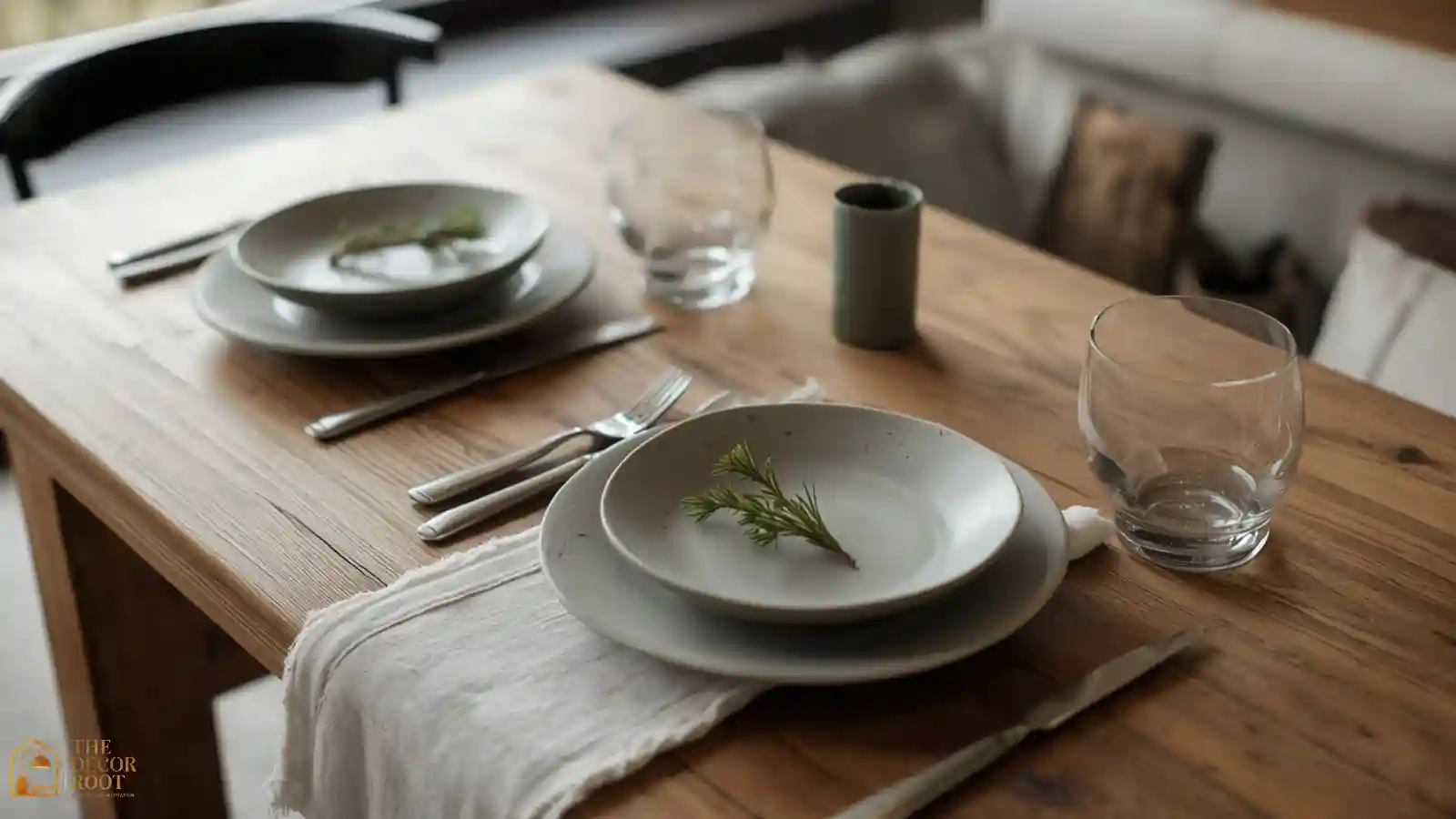
One sprig per setting says more than a full centerpiece.
14. A Single Type of Candle in Matching Vessels
Instead of a mix of scented candles in different jars, use one candle type, unscented or subtly scented beeswax, in matching stoneware or ceramic vessels, repeated at varying heights across a mantel or table. The repetition of a single vessel shape is a classic minimalist styling trick that reads as intentional rather than accumulated. Cluster three to five together rather than spacing them evenly, which creates a stronger visual moment than a uniform row.
EDITOR’S PICK
🛒A Single Type of Candle in Matching Vessels
Instead of a mix of scented candles in different jars, use one candle type, unscented or subtly scented beeswax, in matching stoneware or ceramic vessels, repeated at varying heights across a mantel or table.
(paid link)
15. A Bare Wood Advent Calendar
Skip the printed cardboard advent calendar in favor of a simple wood version, a pegboard, a row of small drawers, or numbered wood discs on twine that can be reused every year and stored easily. The natural material fits the overall palette far better than a printed calendar with bright illustrations, and reusing the same one annually is both more sustainable and, over several years, more cost-effective than replacing a paper version every season.
EDITOR’S PICK
🛒A Bare Wood Advent Calendar
Skip the printed cardboard advent calendar in favor of a simple wood version, a pegboard, a row of small drawers, or numbered wood discs on twine that can be reused every year and stored easily.
(paid link)
16. Minimalist Wood Tree Stand Cover
Hide a standard plastic tree stand with a simple wood slat cover instead of a fabric tree skirt. The clean, geometric lines fit the overall aesthetic far better than a gathered fabric skirt, and it’s a piece you can reuse indefinitely rather than replacing when a fabric skirt wears out or goes out of style. Choose a natural or lightly stained finish that complements your floor, and keep the area around the base otherwise clear, with no pile of extra ornaments or wrapped gifts crowding the stand itself. Simple wood slat tree stand cover
EDITOR’S PICK
🛒Minimalist Wood Tree Stand Cover
Hide a standard plastic tree stand with a simple wood slat cover instead of a fabric tree skirt.
(paid link)
17. A Wreath Made From a Single Material
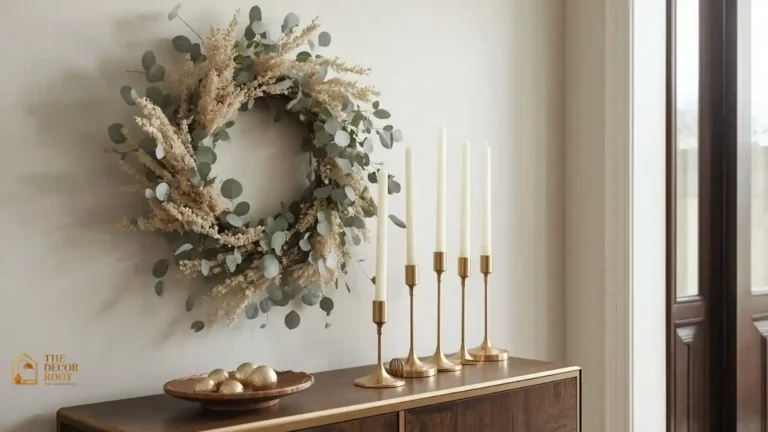
Just as with the greenery rule earlier, apply single-material discipline to your wreath: pine only, or dried eucalyptus only, with no mixed-in pinecones, berries, or ribbon. A well-made single-material wreath, slightly asymmetrical rather than perfectly round, reads as more considered than a fuller, more decorated version. Hang it with plain twine or a thin leather cord rather than a bow, keeping the material story consistent all the way down to how it’s mounted on the door.
EDITOR’S PICK
🛒A Wreath Made From a Single Material
Just as with the greenery rule earlier, apply single-material discipline to your wreath: pine only, or dried eucalyptus only, with no mixed-in pinecones, berries, or ribbon.
(paid link)
18. Handmade Pottery Bells
Small ceramic or stoneware bells, unglazed or lightly glazed in a muted tone, make a quiet substitute for traditional metal jingle bells. Hang a few from the tree or a doorway, spaced generously apart so each one is a distinct visual moment rather than a cluster. The dull, muted tone they make when they touch, unlike the bright ring of metal bells, even fits the calmer, quieter mood this whole style is built around, which is a small but noticeable detail guests tend to pick up on.
EDITOR’S PICK
🛒Handmade Pottery Bells
Small ceramic or stoneware bells, unglazed or lightly glazed in a muted tone, make a quiet substitute for traditional metal jingle bells.
(paid link)
19. A Neutral Gift Tag System
Use plain kraft or cream gift tags with names written in simple, consistent handwriting or a single typeface, rather than printed holiday-themed tags. Tie each with the same thin twine or cord used elsewhere in your wrapping, reinforcing the cohesive, considered look established by the neutral wrapping paper mentioned earlier. This is a small detail, but it’s exactly the kind of consistency that separates a genuinely styled Japandi holiday setup from one that just happens to use a few neutral-colored items.
EDITOR’S PICK
🛒A Neutral Gift Tag System
Use plain kraft or cream gift tags with names written in simple, consistent handwriting or a single typeface, rather than printed holiday-themed tags.
(paid link)
20. A Single Oversized Ornament as a Focal Point
Rather than many small ornaments, choose one larger-scale piece, an oversized ceramic sphere or a substantial wood star, and give it a prominent, isolated spot on the tree or a shelf. This “one strong piece instead of many small ones” approach is a hallmark of minimalist styling generally, and it’s often more visually effective than a fully decorated tree, since the eye has a clear place to land instead of scanning a busy surface for a focal point.
EDITOR’S PICK
🛒A Single Oversized Ornament as a Focal Point
Rather than many small ornaments, choose one larger-scale piece, an oversized ceramic sphere or a substantial wood star, and give it a prominent, isolated spot on the tree or a shelf.
(paid link)
21. Stoneware Incense Holder With Cedar or Pine Incense
A simple stoneware incense holder with cedar or pine incense brings in seasonal scent without the bright, sweet fragrances typical of holiday candles. It’s also a smaller, quieter object than a large candle, fitting easily onto a bookshelf or side table without competing for space with other decor. Light it during a quiet evening rather than leaving it burning throughout a party, since the point of this piece is a calm, occasional ritual rather than constant background scent. Handmade stoneware incense holder
EDITOR’S PICK
🛒Stoneware Incense Holder With Cedar or Pine Incense
A simple stoneware incense holder with cedar or pine incense brings in seasonal scent without the bright, sweet fragrances typical of holiday candles.
(paid link)
22. A Plain Linen Duvet Swap for Guest Rooms
If you’re hosting overnight guests for the holidays, swap in plain linen bedding in a warm neutral tone rather than a printed holiday duvet set. It signals the same considered, calm hospitality as the rest of your Japandi holiday styling and, unlike a seasonal duvet cover, it’s bedding you’ll actually use the other eleven months of the year, making it a far better long-term purchase than single-season holiday linens.
EDITOR’S PICK
🛒A Plain Linen Duvet Swap for Guest Rooms
If you’re hosting overnight guests for the holidays, swap in plain linen bedding in a warm neutral tone rather than a printed holiday duvet set.
(paid link)
23. A Small Cluster of River Stones or Smooth Wood Discs
A small grouped display of smooth river stones or wood discs on a side table or mantel corner adds a quiet, grounding, natural element that has nothing to do with Christmas specifically but complements the season’s neutral palette perfectly. This is a good option for a corner of the room that feels slightly empty without adding another obviously “holiday” object, keeping the overall decoration count low while still filling the space intentionally.
EDITOR’S PICK
🛒A Small Cluster of River Stones or Smooth Wood Discs
A small grouped display of smooth river stones or wood discs on a side table or mantel corner adds a quiet, grounding, natural element that has nothing to do with Christmas specifically but complements the season’s neutral palette perfectly.
(paid link)
24. A Single Sprig of Greenery Per Place Setting
At the table, skip a large centerpiece in favor of one small sprig of pine or eucalyptus laid across each place setting, tied simply with twine. This gives every guest a personal, considered detail without building a tall centerpiece that blocks sightlines across the table, a genuinely practical benefit for conversation during a holiday meal, on top of fitting the overall minimal aesthetic.
EDITOR’S PICK
🛒A Single Sprig of Greenery Per Place Setting
At the table, skip a large centerpiece in favor of one small sprig of pine or eucalyptus laid across each place setting, tied simply with twine.
(paid link)
25. A Deliberately Empty Surface
The final and most counterintuitive idea: choose one surface in the room, a shelf, a console end, a section of the mantel, and leave it completely undecorated on purpose. Negative space is treated as a design element in Japandi interiors year-round, and applying that same restraint during the busiest decorating season of the year is what ultimately separates this look from every other style on this list. It gives the eye a place to rest and makes everything else you’ve styled read as more intentional by contrast.
EDITOR’S PICK
🛒A Deliberately Empty Surface
The final and most counterintuitive idea: choose one surface in the room, a shelf, a console end, a section of the mantel, and leave it completely undecorated on purpose.
(paid link)
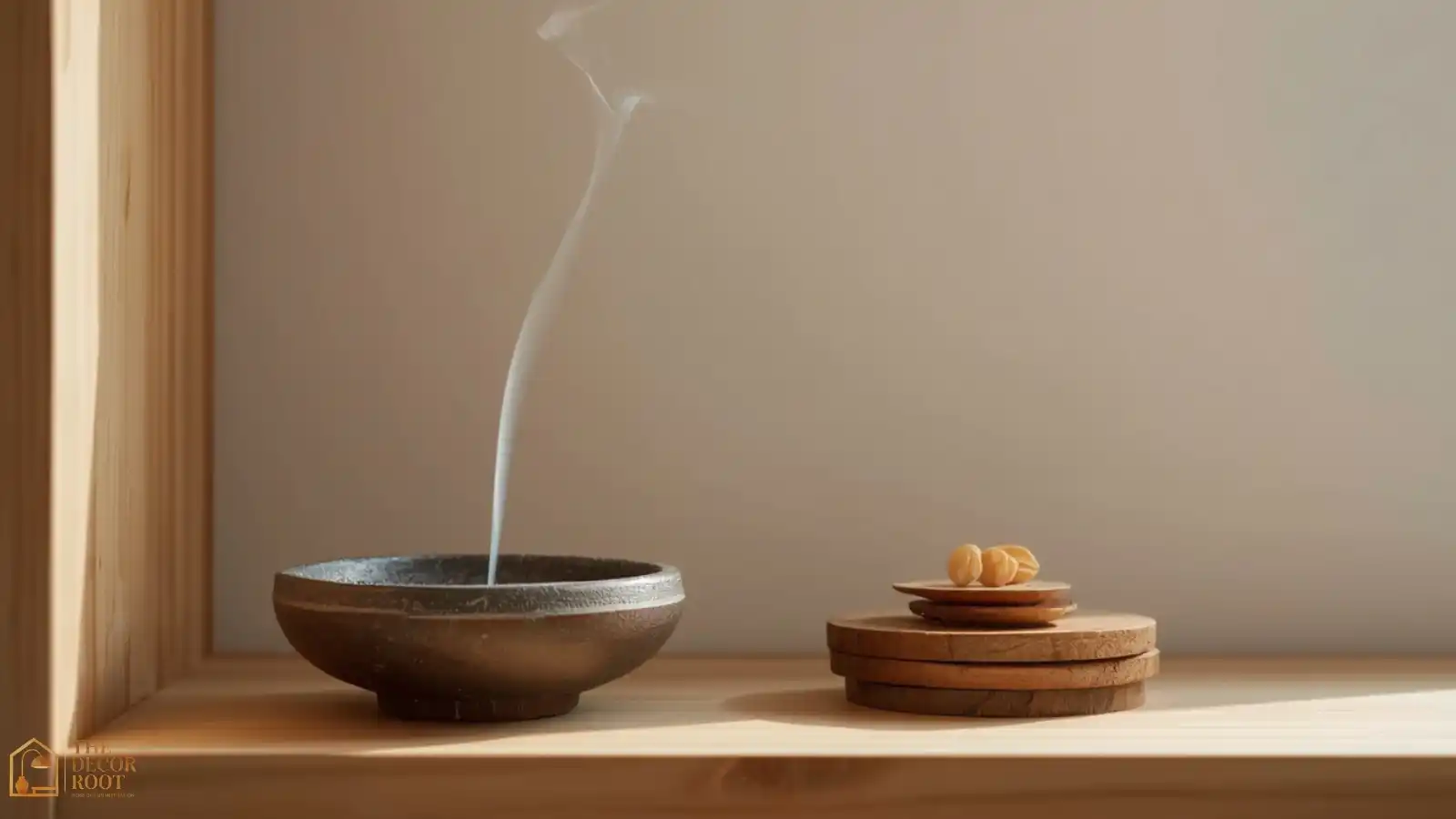
Quiet, occasional scent replaces a constantly burning candle.
For more restrained tree styling in a similar spirit, see 20 Christmas Mantel Styling Ideas That Aren’t Cluttered, and if you’re working with a smaller space, 21 Small Christmas Tree Ideas for Tight Living Rooms picks up several of these same minimal-footprint ideas in more detail, and for sofa styling that keeps the same restrained palette, 24 Christmas Throw Pillow and Blanket Layering Ideas covers it in more depth.
Quick Action Plan
- This weekend, pick just three changes rather than attempting a full redecorate: switch your ornaments to a single tonal palette, swap standard bulb lights for warm paper lanterns, and deliberately leave one surface in the room undecorated.
- Those three moves alone will shift the whole space toward calm rather than clutter, and everything else on this list- the wrapping, the table styling, the wreath- can be layered in gradually without ever feeling rushed.
Frequently Asked Questions
Conclusion
A Japandi Christmas isn’t about doing less for the sake of it; it’s about making sure every piece you keep out actually earns its place. Start with whichever change feels most doable this week, whether that’s a tonal ornament swap or simply leaving one shelf bare, and let the rest follow at whatever pace feels calm rather than rushed. The quieter palette and lower ornament count also mean less to store, less to untangle, and less to second-guess next November. What you’re left with is a holiday that actually feels restful instead of one more thing to manage.
💾 Save this post to your Pinterest Japandi Christmas board and come back to it when you’re ready to build your calmest, most considered holiday look yet!