25 Farmhouse Nursery Ideas Parents Love
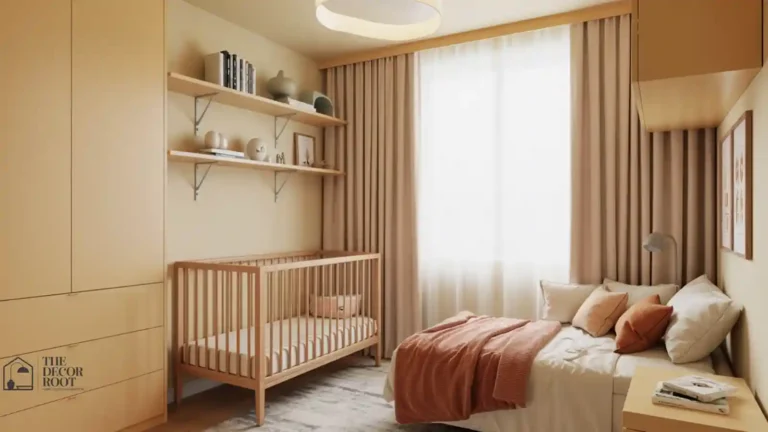
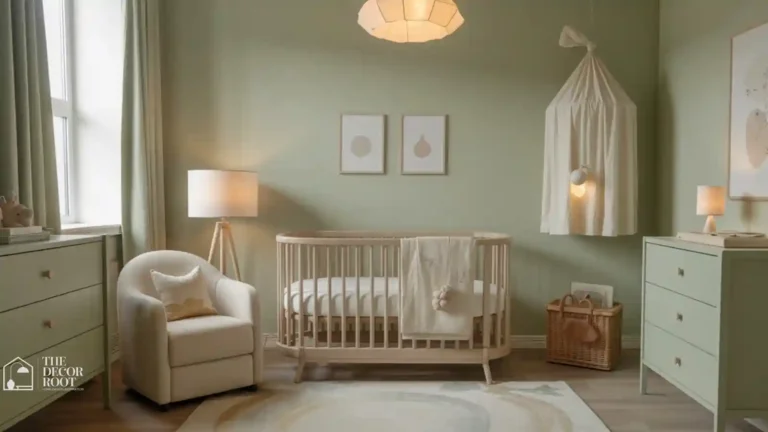
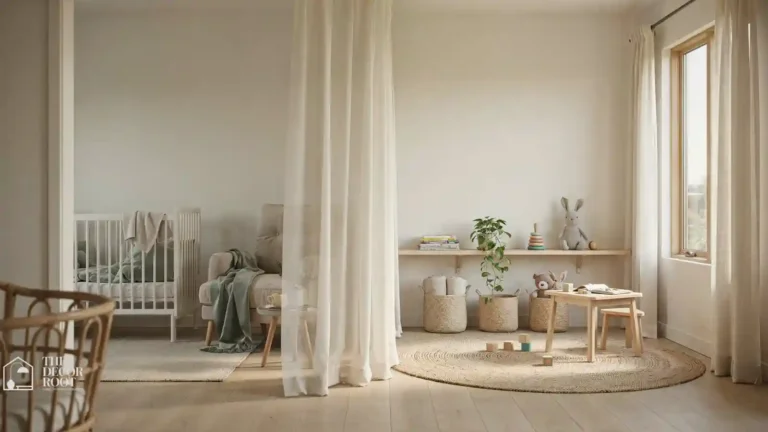
Farmhouse Nursery Ideas: Farmhouse style has been declared “over” by design blogs for years now, and yet it keeps showing up in nurseries specifically because, unlike a lot of decor trends, it’s built on things that genuinely age well: real wood, simple lines, and a warm, lived-in feeling instead of a perfectly curated one. A farmhouse nursery doesn’t chase whatever’s trending on Pinterest this month; it leans on the same handful of materials and details that have worked in homes for generations. “A farmhouse nursery that parents love is one of the most enduring home decorating ideas for a baby’s room, built on warm wood, white paint, wicker baskets, and a palette that never goes out of style, the farmhouse nursery is as beautiful at five years old as it is on the day the baby comes home, which makes it one of the most investment-worthy nursery directions available.
This post contains affiliate links. As an Amazon Associate, I earn from qualifying purchases. If you buy through these links, I may earn a small commission at no extra cost to you.
What Ties These Ideas Together
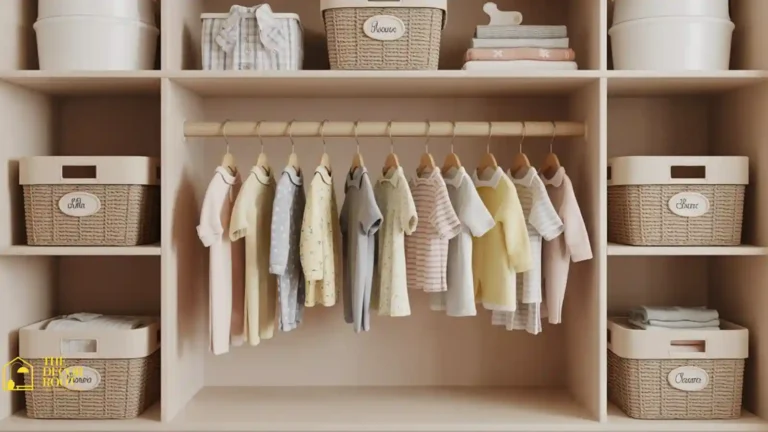
Every idea on this list connects back to three things: natural wood tones, simple architectural details like shiplap or beadboard, and soft, worn-in textiles that feel collected rather than matched. Farmhouse style resists anything too polished or too matchy: a slightly imperfect wood grain, a hand-thrown ceramic piece, a quilt that looks like it’s been used, not just displayed. That’s the detail most farmhouse-style content misses: the goal isn’t a spotless, staged room; it’s one that already feels like it has some history to it, even on day one. A farmhouse nursery’s beauty depends on its storage; the wicker baskets, open wooden shelves, and painted dressers that make the style so photogenic are also the elements that make it functional. These nursery storage ideas show how to design a storage system that serves both purposes, keeping every nappy, sleep sack, and onesie within immediate reach while looking like a considered and styled display.
Elevate with French Farmhouse Flair
The farmhouse nursery and the French nursery are the two most enduring and repaint-resistant baby room aesthetics; both are built on warm wood, restrained colour, and quality materials that outlast the nursery phase. These French-inspired nursery design ideas show how the French version of the same instinct toward timeless, parent-pleasing nursery design expresses itself through a slightly more sophisticated and less rustic material palette. The farmhouse nursery is most beautiful when it leans neutral; these neutral farmhouse nursery ideas show how a palette of warm white, natural wood, and soft sage creates a baby room that photographs beautifully, ages gracefully, and never requires redecorating simply because the initial colour choice felt too strongly gendered once the baby arrived.
1. Add a Shiplap Accent Wall Behind the Crib
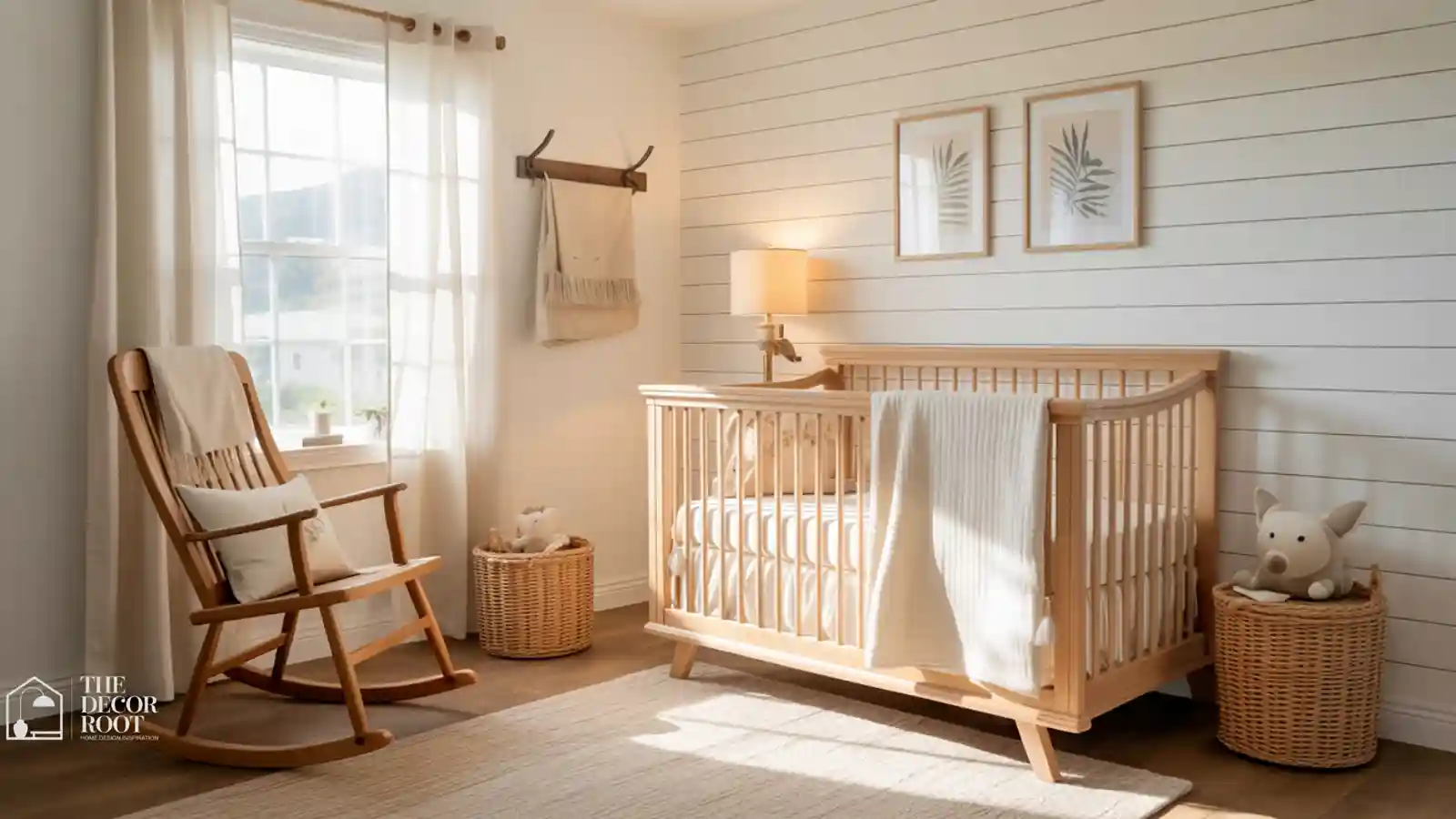
Shiplap is the single most recognizable farmhouse detail, and installing it as an accent wall behind the crib gives the whole room an architectural anchor point without needing much additional decor. Pre-primed shiplap boards or MDF shiplap panels install faster than real wood and cost significantly less, making this an accessible weekend project rather than a major renovation. Paint it a soft white or warm cream rather than stark white, since a slightly warmer tone keeps the wall from feeling cold or clinical under nursery lighting. This single wall does more to establish “farmhouse” than almost any other single change on this list.
2. Use a Solid Wood Crib With Simple, Clean Lines
Skip ornate or heavily carved crib designs in favor of a solid wood crib with simple, straight lines; this is the furniture equivalent of the shiplap wall, doing quiet foundational work for the whole room’s style. Look for a warm wood tone like oak or a lightly distressed finish rather than a glossy or painted white crib, since the visible wood grain is what reads as farmhouse rather than just “traditional.” A simple slat design keeps the crib from competing with other statement pieces in the room, letting details like bedding and lighting carry more of the visual interest.
3. Add a shiplap wall panel kit for an Easy DIY Accent Wall
For anyone hesitant to work with raw lumber, a pre-cut shiplap panel kit takes most of the guesswork out of this project. Panels arrive pre-primed and ready to paint, cutting installation time down significantly compared to sourcing and priming individual boards. These kits typically cover a standard accent wall with room to spare, and most include the spacing guides needed to get that classic shiplap gap look without measuring each board by hand. This is consistently one of the highest-impact, most-repeated DIY projects in farmhouse nursery content because the payoff is so immediately visible.
EDITOR’S PICK
🛒Pre-Primed Shiplap Panel Kit For A Weekend Accent Wall Install
Pre-primed, pre-cut shiplap kits with included spacing guides simplify installation and deliver a high-impact farmhouse nursery accent wall with minimal guesswork.
(paid link)
4. Add a Neutral Wood Rocking Chair
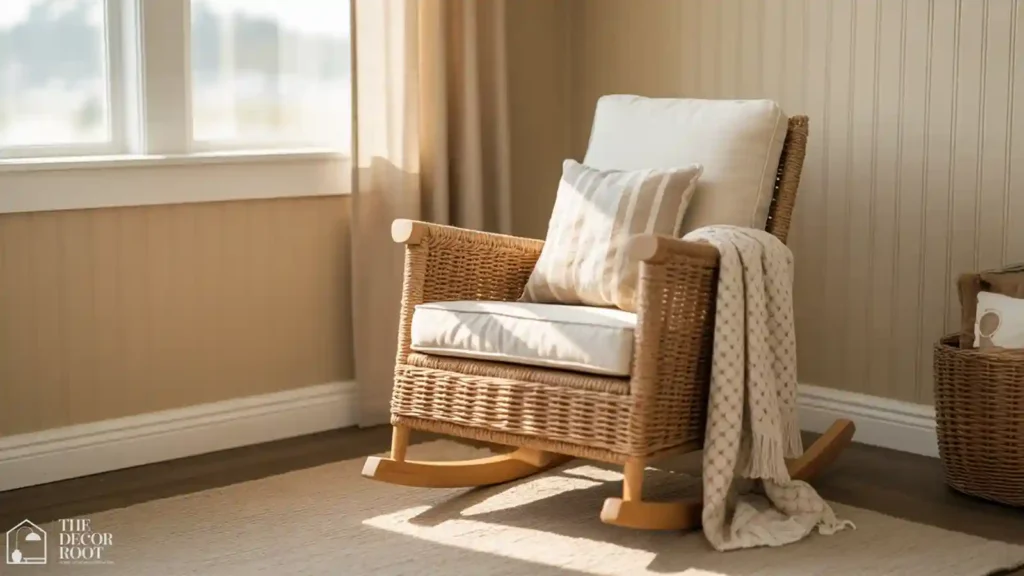
A farmhouse nursery calls for a wood rocking chair over an upholstered glider, at least as the visual centerpiece of the seating area; the exposed wood frame and simple curved lines are a direct nod to traditional farmhouse porch furniture. If a wood rocker isn’t comfortable enough for long night feeds, pair it with a plush cushion in a neutral woven fabric so you get the farmhouse silhouette with genuine comfort. Position it near the window if possible, since good natural light during daytime feeds is both practical and adds to the warm, homey feel farmhouse style is built around.
5. Use Beadboard Paneling on the Lower Wall
Beadboard, the vertical grooved paneling traditionally used in farmhouse kitchens and mudrooms, works beautifully as a lower-wall treatment in a nursery, typically installed from the floor to about waist or chair-rail height. Paint it a soft white or cream to match your trim, and it adds textural interest and architectural detail without the commitment of a full accent wall. This treatment pairs particularly well with a bolder wallpaper or paint color on the upper wall, since the beadboard grounds the room and keeps a stronger color choice from feeling overwhelming.
6. Add a Vintage-Style Ceiling Fan With Wood Blades
A ceiling fan with wood-tone blades and a simple bronze or black fixture does double farmhouse duty; it’s genuinely useful for temperature regulation in a nursery (something pediatricians consistently recommend for safe sleep) while also reinforcing the room’s material palette. Choose a model with a quiet motor and a remote or wall control, since noise level matters more in a nursery than almost any other room in the house. This is a practical upgrade that also happens to look intentional, rather than a purely decorative choice.
7. Use a Galvanized Metal Accent Piece
A single galvanized metal element a small bucket used as a planter, a metal-framed mirror, or a pendant light shade introduces the slightly industrial, utilitarian edge that keeps farmhouse style from tipping into purely soft and precious. Metal accents work best in small doses in a nursery; one or two pieces add authentic character, while too many can make the room feel more barn than bedroom. A galvanized metal wastebasket or small storage bin is a genuinely useful option that adds this texture without taking up decor-only space.
8. Add a farmhouse-style pendant light over the Changing Area
A farmhouse-style pendant, typically a simple metal dome or cage shade in black or bronze, swaps out a builder-grade fixture for something with real character while still delivering the bright, direct light you need for safe nighttime changes. Position it above the changing table specifically, since this is the spot in the nursery where good lighting matters most practically, not just aesthetically. Choose a dimmable option if possible, so the same fixture can provide soft light for late-night feeds and bright light for daytime tasks.
EDITOR’S PICK
🛒Farmhouse Pendant Fixture For Functional Overhead Lighting
A dimmable farmhouse pendant in black or bronze above the changing table provides bright light for safe changes and soft light for feeds, replacing basic fixtures with character.
(paid link)
9. Use a Woven Cotton Rug in a Simple Stripe or Solid
Farmhouse rugs tend toward simple stripes, plaids, or solid neutral tones in cotton or wool rather than intricate patterns; think classic rag rug styling rather than a busy print. A striped cotton runner near the crib or a solid oatmeal rug under the glider both work well, and cotton rugs have the practical benefit of being machine washable, which matters enormously in a room where spills and messes are a daily reality. Layer it over a light wood or painted floor for the classic farmhouse floor-and-rug combination.
10. Add a Distressed Wood Dresser as a Changing Table
A dresser with a slightly distressed or lightly weathered wood finish rather than a brand-new, glossy piece fits the farmhouse aesthetic’s preference for things that look like they have some history. If buying new, look for finishes specifically marketed as “weathered” or “reclaimed style,” or consider a secondhand dresser that already has some natural wear, which can be sanded lightly and resealed rather than fully refinished. This piece typically becomes the room’s second major furniture anchor after the crib, so its wood tone should coordinate with the crib rather than exactly match it.
11. Use Simple Cotton or Linen Curtains With a Wood Rod
Skip elaborate curtain hardware in favor of a simple wood curtain rod with basic cotton or linen panels in white or a soft neutral. Farmhouse window treatments favor simplicity over ornamentation. A wood rod with a simple finial (even a plain rounded end) continues the room’s wood-tone thread from the crib and dresser up to window height. If you need blackout function for naps, a plain white blackout liner behind a lighter cotton sheer keeps the layered, simple look intact while still darkening the room effectively.
12. Add a Wire Egg Basket or Similar Vintage-Style Container
A wire basket, the kind traditionally used for collecting eggs on a farm, makes surprisingly practical nursery storage for small items like burp cloths, socks, or bath toys, while adding an authentic vintage farmhouse detail that’s hard to fake with mass-produced decor. Look for one with a sturdy wire construction and a comfortable handle, and place it somewhere it’ll actually get used daily rather than tucked away purely as a display piece, since farmhouse style values function alongside its look.
13. Add a woven cotton throw blanket Draped Over the Glider
A chunky woven cotton throw draped over the arm of the glider or folded at the foot of the crib adds instant texture and a lived-in warmth that’s central to farmhouse style. Choose a neutral cream, oatmeal, or soft gray tone with a visible woven texture rather than a smooth knit, since the texture is doing more visual work than the color here. This is also a genuinely functional piece for chilly night feeds, giving you something warm within arm’s reach of the glider without needing to leave the room.
EDITOR’S PICK
🛒Woven Cotton Throw For The Glider Or Crib Rail
A neutral woven cotton throw draped over the glider or crib adds farmhouse texture and practical warmth for nighttime feeds.
(paid link)
14. Use a Barn Door–Style Closet Door
If your nursery closet has room for a sliding track, a barn door–style closet door is one of the more dramatic farmhouse upgrades on this list, instantly signaling the style the moment someone walks into the room. Choose a simple plank-style door in a natural or lightly whitewashed wood finish, and make sure the track and door are properly rated for the door’s weight and installed securely, since safety matters more than style in a room a mobile toddler will eventually explore. This works especially well in nurseries with limited floor clearance, since a sliding door doesn’t need swing space.
15. Add a Simple Wood-Framed Family Photo Display
A cluster of simple wood-framed photos in a mix of light and dark wood tones rather than a single matched set fits farmhouse style’s preference for collected-over-time character rather than a single perfectly matched set purchased all at once. Arrange them in a loose, slightly asymmetrical grouping above the dresser or a low shelf, mixing frame sizes for visual interest. This is an easy, low-cost way to personalize the space while staying within the farmhouse material palette of warm, varied wood tones.
16. Use a Ladder Shelf for Books and Small Decor
A wood ladder shelf angled against the wall rather than mounted flush is a classic farmhouse storage and display piece that works well for board books, small plants, and folded blankets. Its slightly rustic, functional look fits the aesthetic better than a sleek modern shelving unit would, and because it leans rather than mounts, it’s an easy option for renters who can’t drill into walls. Keep the top shelves for display items and lower shelves for things your child might eventually want to reach themselves.
17. Add a Neutral Quilt as a Layering Piece
A simple patchwork or solid quilt, folded at the foot of the crib or draped over the glider, adds the soft, handmade-feeling texture that farmhouse style leans on heavily. Choose muted, neutral tones cream, soft gray, dusty blue over bright, busy patchwork prints, since a quieter quilt fits the room’s overall calm palette better than a bold, colorful one would. A quilt also works as a portable comfort item later, moving easily from crib to stroller to car seat as your child grows.
18. Add wood letter blocks Spelling Out Baby’s Name
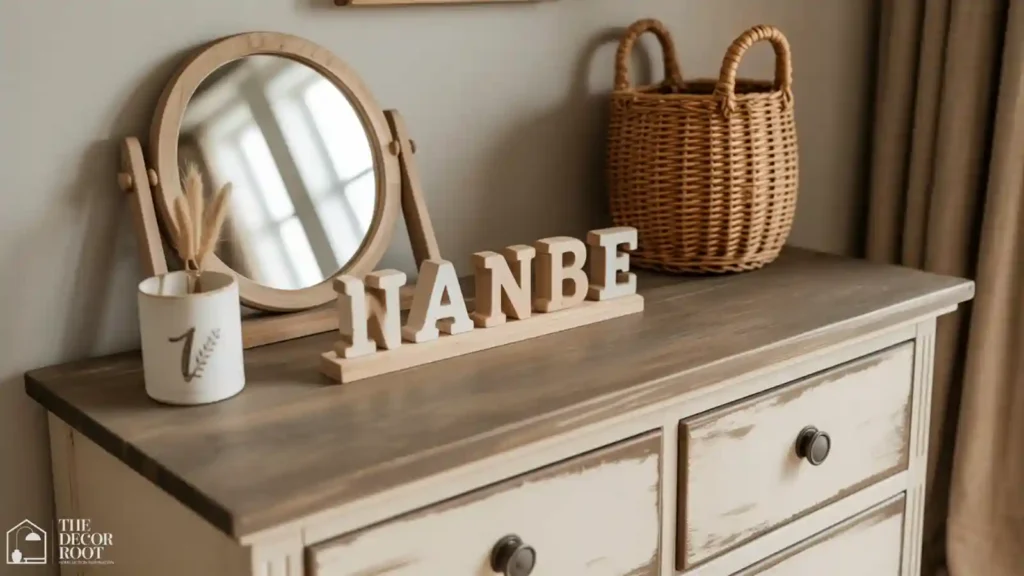
Simple unfinished or lightly stained wood letter blocks spelling out your baby’s name make for an easy, personalized decor moment on a dresser top or shelf, a farmhouse-style alternative to a printed name sign. Because they’re wood rather than painted plastic, they fit naturally into the room’s existing material palette instead of standing out as a separate decor category. These also work well as an early sensory or stacking toy once your child is old enough to safely handle them, extending their usefulness well past the newborn decor stage.
EDITOR’S PICK
🛒Wood Letter Blocks For A Personalized Shelf Or Dresser Display
Lightly stained wood name blocks offer farmhouse-style decor that fits natural materials and later serves as a sensory stacking toy.
(paid link)
19. Use a Wood-Framed Mirror With a Simple Profile
A round or rectangular mirror with a plain, slightly weathered wood frame adds both function and light-bouncing brightness to the room, while keeping the frame material consistent with the crib and dresser. Avoid ornate gilded or heavily carved frames, which pull the look toward traditional or glam rather than farmhouse. Hang it where it reflects window light into the room for a genuine brightness boost, not just a decorative one, and at a height where it’ll eventually double as a toddler mirror.
20. Add a Woven Seagrass or Rattan Basket for Toys
While farmhouse leans more heavily on wood and metal than boho’s signature rattan, a woven seagrass basket still fits comfortably within the aesthetic, especially for practical toy or blanket storage near the glider or on a lower shelf. Choose one with simple, sturdy construction over an intricately patterned weave, keeping the overall look grounded and functional rather than decorative-only. This is also one of the more budget-friendly storage solutions on this list, widely available and easy to swap out as needs change.
21. Use a Simple Wood Peg Rail Near the Door
A wood peg rail mounted near the nursery door gives you a place to hang a going-home outfit, a sun hat, or a small bag, and its simple, functional design fits the farmhouse aesthetic’s preference for furniture and fixtures that earn their place through use, not just looks. This is a small, inexpensive addition, but it consistently shows up in farmhouse nursery content because it solves a real daily need: somewhere to put things on the way in or out of the room while adding to the room’s material story.
22. Add a Vintage-Inspired Alarm Clock or Weather Vane Decor Piece
A single small decor object with a slightly vintage, farm-inspired shape a miniature weather vane, an old-style windup alarm clock repurposed as a shelf piece, or a small tin sign adds a specific, personal detail without needing a whole “farmhouse decor pack.” Pick one piece rather than several, since farmhouse style depends on restraint; too many small decorative objects start to read as clutter rather than curated character. Place it somewhere it can be genuinely appreciated, like a dresser top or shelf at eye level.
23. Add galvanized metal storage bins for Toy or Blanket Storage
A pair of galvanized metal bins gives you real storage capacity for toys, extra blankets, or diaper stock while reinforcing the slightly industrial, utilitarian texture that balances out all the soft wood and cotton elsewhere in the room. Choose bins with sturdy side handles for easy carrying, and use them somewhere they’ll be seen, since unlike hidden plastic bins, galvanized metal is meant to be part of the room’s visible decor as much as its function. This is a detail that photographs particularly well against a shiplap or beadboard backdrop.
EDITOR’S PICK
🛒Galvanized Metal Bins For Storage With Authentic Farmhouse Texture
Galvanized metal bins with sturdy handles offer visible storage that balances soft nursery textures and photographs well against shiplap or beadboard.
(paid link)
24. Use a Warm White Paint Palette Instead of Stark White
Farmhouse style is often associated with white walls, but a true stark, cool white can feel clinical in a nursery. A warm white or off-white with subtle cream or beige undertones reads as farmhouse-cozy rather than farmhouse-sterile. Test paint swatches in the room’s actual lighting at different times of day before committing, since warm whites shift noticeably depending on natural versus artificial light. A farmhouse nursery belongs to a wider farmhouse home where the same warm wood, white paint, and natural material aesthetic continues through the master bedroom and living areas; these farmhouse bedroom and nursery ideas show how the nursery connects to the master bedroom as part of a coherent farmhouse suite that feels designed as a whole rather than room by room.
25. Finish With a Layered Gallery of Botanical or Farm-Themed Prints
Close out the room with a small gallery wall mixing simple botanical line drawings or subtle farm-themed prints (a rooster silhouette, a simple barn illustration) in your wood-toned frames from earlier in this list. Keep the print styles simple and muted rather than bold or cartoonish, since a nursery gallery wall works best when it can transition gracefully into a toddler room later without needing a full redo. This finishing layer is usually the last piece that makes a farmhouse nursery feel complete rather than still in progress.
Quick Action Plan
- Start with the two biggest architectural moves, the shiplap or beadboard wall treatment and the wood crib, since these set the tone for every decision after them.
- Next, handle lighting and the dresser/changing table, both of which carry real daily function alongside their looks.
- Save smaller layering pieces like the quilt, throw blanket, wood letter blocks, and gallery wall for last; these are the details that make the room feel finished, but they’re also the easiest to add gradually without needing to plan or budget for them all at once.
Frequently Asked Questions
Conclusion
A farmhouse nursery earns its warmth through restraint and material consistency, not through piling on rustic decor for its own sake; a shiplap wall, a solid wood crib, and a few well-chosen textiles will always do more than a room full of matching farmhouse-branded signage.
💾 Save this to your Farmhouse Nursery board on Pinterest so you can reference it while you shop and plan.