20 Fall Wreath Ideas Beyond the Usual Pumpkin
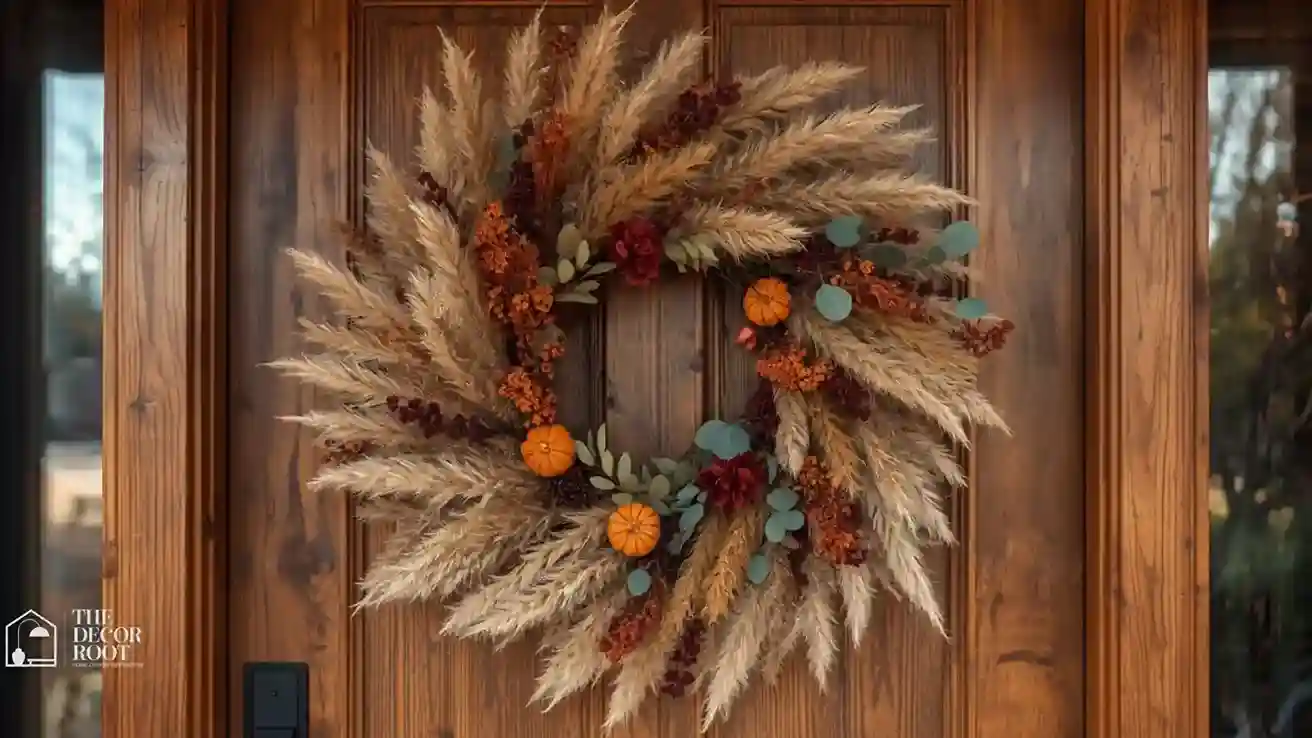
Fall Wreath Ideas. Every October, the same wreath shows up on a million front doors: orange felt pumpkin, plastic leaves, done. If you’ve scrolled past that exact wreath on three different neighbors’ porches already this week, you already know why you’re here. You want something that says “fall” without saying “craft store clearance aisle.” The good news is that autumn gives you more raw material than pumpkins alone: dried grasses, citrus slices, wool, wheat, even velvet ribbon in colors that have nothing to do with orange. Fall wreath ideas beyond the usual pumpkin are some of the most creatively rewarding home decorating ideas of the season, because the conventional autumn wreath has become so ubiquitous that the genuinely beautiful alternatives, built on dried botanicals, preserved leaves, cotton stems, and seasonal foliage, stand out as a first impression that feels personal rather than purchased.
This post contains affiliate links. As an Amazon Associate, I earn from qualifying purchases. If you buy through these links, I may earn a small commission at no extra cost to you.
The Thinking Behind This
A wreath is the first thing anyone sees before they even ring your doorbell, which means it’s doing more visual work than almost any other decor item in your home. Most fall wreaths fail not because pumpkins are inherently bad, but because they’re used as a shortcut: one recognizable shape standing in for an entire season. The wreaths that actually stop people mid-scroll on Pinterest, or mid-step on your porch, are built around a material or color story instead of a symbol. Think in terms of texture layering (something dried, something with sheen, something structural) rather than “what fall object can I glue on.” Once you shift from symbol-based to texture-based thinking, twenty different directions open up fast, and none of them require a single felt pumpkin. The most distinctive fall wreaths are built on a considered color palette rather than seasonal convention. These fall botanical color ideas show how amber wheat, dusty sage eucalyptus, burnt orange Chinese lanterns, and dried cotton stems create a wreath that reads as a designed object rather than a seasonal decoration.
Welcome Fall with a Wreath
A fall wreath is the first detail visitors see at the door. Browse all our seasonal decorating ideas for early fall porch decor, front porch flower pots, and seasonal garden ideas that build the complete autumn arrival experience your wreath belongs within. A fall wreath at the door and a fall mantel inside are the two seasonal focal points that bracket the arrival experience. These fall doorstep and interior focal point ideas show how to design both in the same botanical palette so the wreath at the front door previews the mantel styling inside, and the two pieces feel like the opening and closing statements of the same autumn composition.
1. Dried Pampas Grass and Rust Velvet Ribbon
Pampas grass has become a design staple for a reason; its movement and soft neutral tone give a wreath an airy, expensive look that a rigid faux-leaf wreath can’t match. Build the base with three to five stems fanned asymmetrically to one side, then anchor the whole thing with a wide rust or burnt-sienna velvet ribbon bow at the top. The contrast between the wispy, pale grass and the deep, saturated velvet is what makes this combination photograph so well for Pinterest. Skip the temptation to center the bow dead-center; an off-kilter placement reads as more curated. This style works especially well on doors painted black, navy, or forest green, where the pale grass pops instead of blending into a similarly light-colored door.
2. Citrus Slice and Cinnamon Stick Wreath
Dried orange and lemon slices threaded onto a grapevine base with bundled cinnamon sticks give off a warm, almost edible quality that photographs beautifully in natural light. This style leans more cottage or farmhouse than modern, and it has the advantage of smelling faintly like fall if you use real dried cinnamon rather than faux. Space the citrus slices unevenly around the ring rather than symmetrically, clustering three or four together in one section and leaving longer gaps elsewhere, which avoids the “evenly spaced craft kit” look. This is a strong option if your entryway already has warm wood tones, since the citrus and cinnamon pick up those same undertones rather than fighting them.
3. Monochrome Cream Wool Wreath
A wreath made entirely of cream and ivory wool roving or felted wool balls skips color-coding to “fall” altogether and instead signals the season through texture and warmth. This is one of the more unexpected entries on this list, and it’s exactly why it stands out on a street full of orange and red. It pairs well with a natural wood or rattan door, and it transitions almost seamlessly into winter, meaning you get more mileage out of it than a wreath tied specifically to October. If your porch already has a lot of warm wood or terracotta, this wreath adds contrast instead of piling onto an already-warm palette.
4. Grapevine Base With Dried Eucalyptus and Wheat
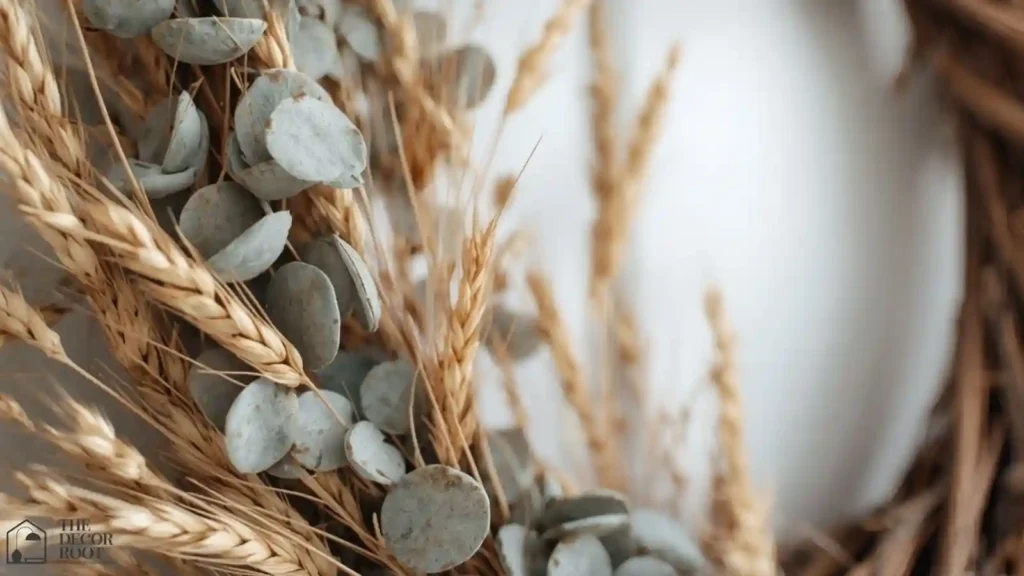
A bare-bones grapevine wreath base gives you full creative control, and layering it with dried eucalyptus and a few wheat stalks creates depth without looking overstuffed. The trick is restraint: three or four eucalyptus stems and two or three wheat stalks, secured with floral wire at one focal point rather than scattered evenly. This works particularly well if you want a wreath that reads as “gathered from a fall walk” rather than “bought pre-made.” It’s also one of the more budget-friendly options on this list since a grapevine base costs a fraction of a pre-decorated wreath.
EDITOR’S PICK
🛒Natural Grapevine Wreath Base, 16–18 Inches
A bare grapevine wreath with restrained eucalyptus and wheat at one focal point creates a gathered, natural fall look at a lower cost than pre-decorated versions.
(paid link).
5. Deep Burgundy and Plum Floral Wreath
Most fall wreaths default to orange, rust, and mustard, which means a wreath built around burgundy, plum, and deep wine tones stands out immediately, while still reading unmistakably as autumn. Use faux dahlias, mums, or ranunculus in these deeper jewel tones mixed with a few sprigs of dark green foliage to keep it from feeling too monochromatic. This palette works exceptionally well on cream, white, or light gray doors, where the saturated color becomes the clear focal point. It’s also a smart choice if your entryway decor leans more elegant or traditional than rustic farmhouse.
6. Autumn Leaves in Unexpected Colors
Skip the classic orange-red-yellow leaf mix and build a wreath using leaves in deep olive, mustard-gold, and chocolate brown instead colors that show up in real fall foliage but rarely make it into pre-made wreaths. The muted, slightly desaturated palette reads as more sophisticated and less “costume store fall” than the bright primary tones most people default to. Layer the leaves densely near the base and thin them out toward the top for a naturalistic gradient effect. This style pairs beautifully with brick or stone exteriors, since the earthy tones echo the material instead of clashing with it.
7. Preserved Boxwood and Copper Wire Wreath
Preserved boxwood holds its green color for months without watering, giving you a wreath base that feels fresh well into November without any pumpkin, leaf, or floral element at all. Wind thin copper wire or copper-toned ribbon through the greenery in a loose spiral for a subtle metallic glint that catches afternoon light. This is one of the more minimalist entries here, ideal if your front door already has a lot going on a colorful mat, string lights, potted mums- and doesn’t need a busy wreath competing for attention. It also transitions cleanly from early fall straight through the winter holidays with zero swaps needed.
8. Layered Textured Ribbon Wreath (No Florals at All)
A wreath built entirely from layered ribbon velvet, burlap, plaid, and satin in a coordinated rust-and-cream palette skips organic materials completely and leans into pure texture and pattern instead. Loop each ribbon type into a full, gathered rosette shape and wire multiple rosettes together around a foam or wire base for volume. This approach is surprisingly durable against wind and rain compared to dried florals, which matters if your porch gets direct weather exposure. It’s also one of the easiest styles to make from scratch since it requires zero floral arranging skill, just looping and wiring.
9. Dried Eucalyptus and Silver Dollar Bundle
A dried eucalyptus bundle in a mix of silver dollar and seeded varieties gives a wreath a cool, muted green-gray tone that works as a genuinely year-round option, not just a fall placeholder. Cluster the bundles in a crescent shape covering roughly a third of the wreath rather than wrapping the entire ring, which creates visual movement and negative space. This style photographs particularly well against warm-toned doors like terracotta, rust, or stained wood, where the cool green offers contrast. It’s a strong pick if you want something that carries you from September decor straight through to when you’re ready to switch to evergreen for winter.
EDITOR’S PICK
🛒Dried Eucalyptus Bundle
A crescent-shaped dried eucalyptus wreath in silver dollar and seeded varieties offers cool green-gray contrast against warm doors, transitioning seamlessly from fall into winter.
(paid link)
10. Faux Fig Leaf and Berry Wreath
Large faux fig leaves have become a popular houseplant trend, and using them as a wreath base brings that same modern, oversized-leaf aesthetic to your front door instead of the traditional small maple or oak leaf shapes. Mix in small clusters of faux berries in deep red or burgundy for a pop of color against the rich green. Because fig leaves are large and structural, you need fewer of them than a typical leaf wreath, which actually makes this a faster build. This style leans modern and works especially well on doors with clean architectural lines, like a flat black or navy door with minimal trim detail.
11. Corn Husk and Raffia Wreath
Dried corn husks twisted and layered with natural raffia create a genuinely rustic, harvest-inspired wreath that has almost nothing in common visually with a typical mass-produced fall wreath. The husks curl naturally as they dry, giving the wreath organic movement and texture that’s hard to replicate with faux materials. This is a strong choice if you’re leaning into a genuine harvest-festival aesthetic rather than a polished designer look, and it pairs well with wood plank doors or a covered porch with exposed beams. It’s also one of the most budget-friendly options here if you have access to dried corn husks or can source them cheaply at a farm stand. A fall wreath is the centrepiece of an early fall porch refresh. These early fall porch and doorstep ideas show how to build the surrounding container arrangement, lanterns, and seasonal foliage so the wreath becomes the hero detail of a complete and considered autumn doorstep rather than the only seasonal element in an otherwise unchanged porch.
12. Two-Tone Sunflower and Wheat Wreath
Instead of the bright yellow sunflowers most people picture, use a smaller, muted “chocolate” or rust-toned sunflower variety mixed with wheat stalks for a wreath that reads as fall without tipping into late-summer territory. The darker sunflower centers and petals blend more naturally with typical autumn palettes than the classic bright yellow bloom. Arrange the sunflowers in a loose cluster at the bottom of the wreath with wheat stalks trailing upward on either side for an asymmetrical, gathered-bouquet look. This style works particularly well for early fall, around late September, before you’re ready to fully commit to deep reds and browns.
13. Plaid Ribbon and Faux Berry Statement Wreath
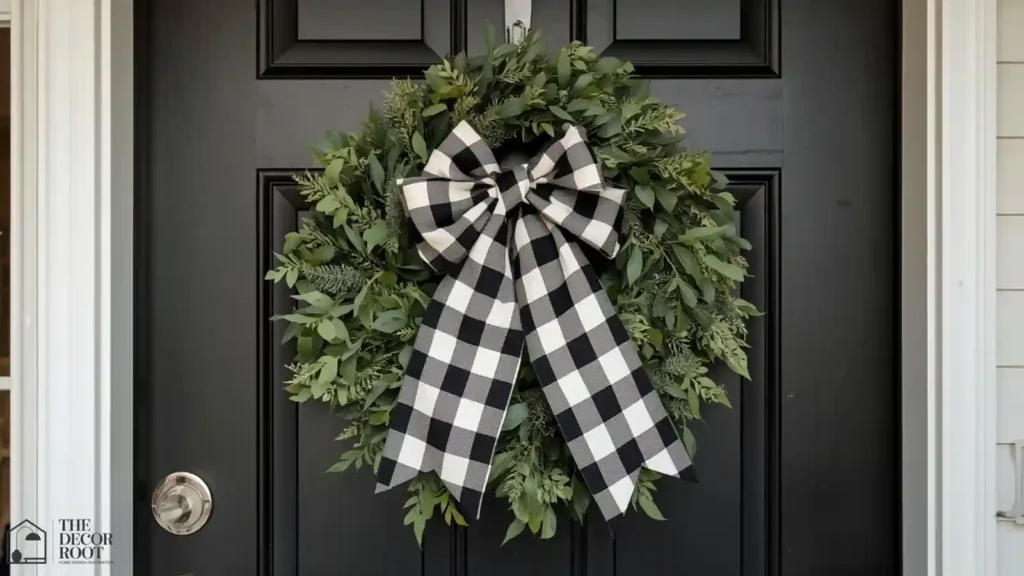
Wired-edge plaid ribbon in a classic buffalo check or tartan pattern makes an oversized bow the true focal point of the wreath, with a simple faux berry or greenery base playing a supporting role. This flips the usual formula where the greenery is the star and the ribbon is an accent. Use a wide ribbon, at least two and a half inches, and make the bow loops generously large so it reads clearly from the street or sidewalk, not just up close. This style is a strong pick if you want a wreath that feels festive and a little bold rather than quietly elegant.
EDITOR’S PICK
🛒Wired-Edge Plaid Ribbon Roll, 2.5-Inch Width
A large plaid bow in buffalo check or tartan, made with wide ribbon and oversized loops, becomes the wreath’s focal point for a bold, street-visible fall statement.
(paid link)
14. Moody Black and Rust Wreath
Pairing deep black florals or foliage with rust and burnt orange accents creates a wreath with real visual drama, standing apart from the soft, pastel-adjacent fall wreaths that dominate most home decor feeds. This combination works especially well leading into Halloween, giving you a wreath that transitions naturally from general autumn decor into spookier seasonal styling without needing a full swap. Keep the black elements as an accent rather than the dominant color, roughly a third of the material, so the wreath still reads as “fall” and not purely Halloween. This style pairs well with white, cream, or sage green doors, where the contrast is sharpest.
15. Dried Hydrangea Wreath
Dried hydrangea blooms have a papery, slightly faded quality that gives a wreath an heirloom, collected-over-time look rather than a store-bought appearance. Use hydrangeas in muted dusty rose, sage, or antique cream tones rather than bright fall colors for a softer, more transitional aesthetic that works from late summer into November. Cluster three to four full hydrangea heads with minimal filler greenery, letting the blooms themselves do the visual work rather than crowding them with additional materials. This is a good option if your porch style leans more romantic or vintage than rustic farmhouse.
16. Faux Fern and Mushroom Accent Wreath
Small faux mushroom picks tucked into a base of ferns and moss bring an unexpected, almost woodland-cottagecore quality to a fall wreath that skips the usual harvest imagery entirely. This is one of the more playful, whimsical entries on the list and works particularly well if you have kids who’ll enjoy spotting the little mushroom details. Keep the mushrooms clustered in two or three small groupings rather than scattered evenly, which mimics how mushrooms actually grow in clusters in real forest settings. This style pairs beautifully with a covered, shaded porch where the woodland aesthetic feels most at home.
17. Faux Olive Branch Wreath
Olive branches bring a Mediterranean, understated elegance to fall decor that skips the typical harvest palette in favor of soft silvery-green and muted gold tones. This wreath works particularly well if your exterior color palette is more neutral, gray, or stucco-toned, where warmer fall wreaths can sometimes clash. Layer the branches densely for a full, lush look, or keep them sparse for a more architectural, minimalist statement piece. Because olive branches don’t scream “autumn” the way maple leaves or pumpkins do, this wreath also works comfortably well past Thanksgiving without looking out of season.
18. Faux Wheat Stem and Dried Lavender Wreath
Faux wheat stems bundled with dried lavender sprigs bring together the golden tones of harvest season with a soft purple accent that most fall wreaths skip entirely. Wire small bundles of five to six wheat stems together, then tuck lavender sprigs between the bundles rather than mixing them randomly, which keeps the arrangement looking intentional rather than cluttered. The pale gold and lavender combination is especially striking against a dark, saturated door color. This is a good transitional option for early fall, when you want warmth without committing fully to deep reds and browns yet.
EDITOR’S PICK
🛒Faux Wheat Stem Bundle, Natural Finish
Wheat and lavender bundles, wired in small groups with lavender tucked between, offer a pale gold and purple early fall accent that pops against dark doors.
(paid link)
19. Layered Faux Leaf Wreath in Ombre Tones
Rather than a flat, single-tone leaf wreath, look for or build one with an ombre gradient running from deep burgundy at the base to warm gold at the top, giving the wreath dimension that a flat leaf color can’t achieve. This technique takes more planning than a standard leaf wreath, since you’re essentially building three or four color zones rather than one, but the payoff is a wreath that looks noticeably more expensive and considered. This style works well as a true showstopper piece if your front door is your home’s main visual focal point from the street.
20. Woven Wool and Dried Botanical Wreath
Combining a woven wool base think chunky-knit or macrame-style rope wreath forms with a handful of dried botanicals tucked into the weave creates a wreath that feels handmade and textural rather than mass-produced. This is one of the more design-forward entries on this list, borrowing from modern textile art rather than traditional floral wreath-making. Keep the botanical accents minimal, just two or three small clusters, so the woven texture remains the star of the piece. This style pairs beautifully with modern farmhouse or Scandinavian-influenced entryways where texture and craft-forward details are already part of the design language.
Quick Action Plan
- If you only have twenty minutes and a grapevine base sitting in the garage, start with the eucalyptus and wheat combination from item 4; it’s the fastest to assemble and forgiving of imperfect placement.
- If you want something that lasts from October straight through New Year’s without a swap, go with the preserved boxwood and copper wire option in item 7, since it skips anything that reads as strictly “harvest.”
- And if your porch gets direct sun and rain, prioritize the ribbon-based wreath in item 8 over dried florals, which fade and crumble faster than you’d expect after a few weeks of weather exposure.
Frequently Asked Questions
Conclusion
A wreath doesn’t have to say “pumpkin” to say “fall”; texture, color depth, and a little restraint do more work than any single symbol ever could. Pick whichever direction matches your porch’s existing palette, and don’t be afraid to combine elements from two entries on this list into something that’s genuinely yours. This post contains affiliate links
💾 Save this post to your Fall Decor board on Pinterest so you can come back to it when you’re ready to build your wreath.